
ventless washer dryer can change how you do laundry in small spaces. If you’re tired of lugging wet loads or dealing with complex venting, a ventless washer dryer offers a solution. This guide cuts through marketing and covers what really matters—what they do, how to install and maintain them, and where things can go wrong.
Key Takeaways
- Ventless washer dryers are ideal for limited spaces but may have longer drying cycles compared to vented models.
- Proper installation and regular maintenance are crucial to long-term performance and reliability.
- Understanding common pitfalls helps you avoid headaches and get the most from your new appliance.
Table of Contents
What is a Ventless Washer Dryer?
Ventless washer dryers wash and dry clothes in a single drum without needing an external vent. They use condensation or heat pump technology to remove moisture, making them ideal for apartments and spaces where traditional venting isn’t possible. Unlike conventional machines, ventless units recycle air and condense water, so you skip complex ducting and messy installations.

This convenience comes with trade-offs. Drying cycles may take longer—sometimes double the time—than vented alternatives. Energy efficiency is generally higher, especially in newer heat pump models, but up-front costs can be higher. Still, if you value space-saving and flexibility, a ventless washer dryer might be the right choice for you. For detailed product comparisons, read our LivingWise Reviews for in-depth analyses.
Installation and Setup Guide
Setting up a ventless washer dryer is simpler than a vented model, but doing it right avoids costly mistakes. Let’s break down each step.
- Choose the Right Location: Pick a space with access to standard electricity (check if a 120V or 240V outlet is needed) and a water line. Unlike vented dryers, you don’t need an exterior wall, but make sure there’s enough clearance for airflow and maintenance.
- Install the Water Hose and Drain: Most ventless units need cold water in and a drain hose. Connect these securely and avoid leaks. Tighten by hand, then give each fitting a gentle turn with pliers.
- Level the Machine: All-in-one machines are sensitive to tilt. Use a spirit level and adjust the feet so the drum is balanced. This reduces noise and prevents premature wear.
- Plug In and Test: Power up and run a “rinse & spin” cycle to check for leaks, vibrations, or error codes. If you notice odd noises, stop and recheck your drain and hose connections.
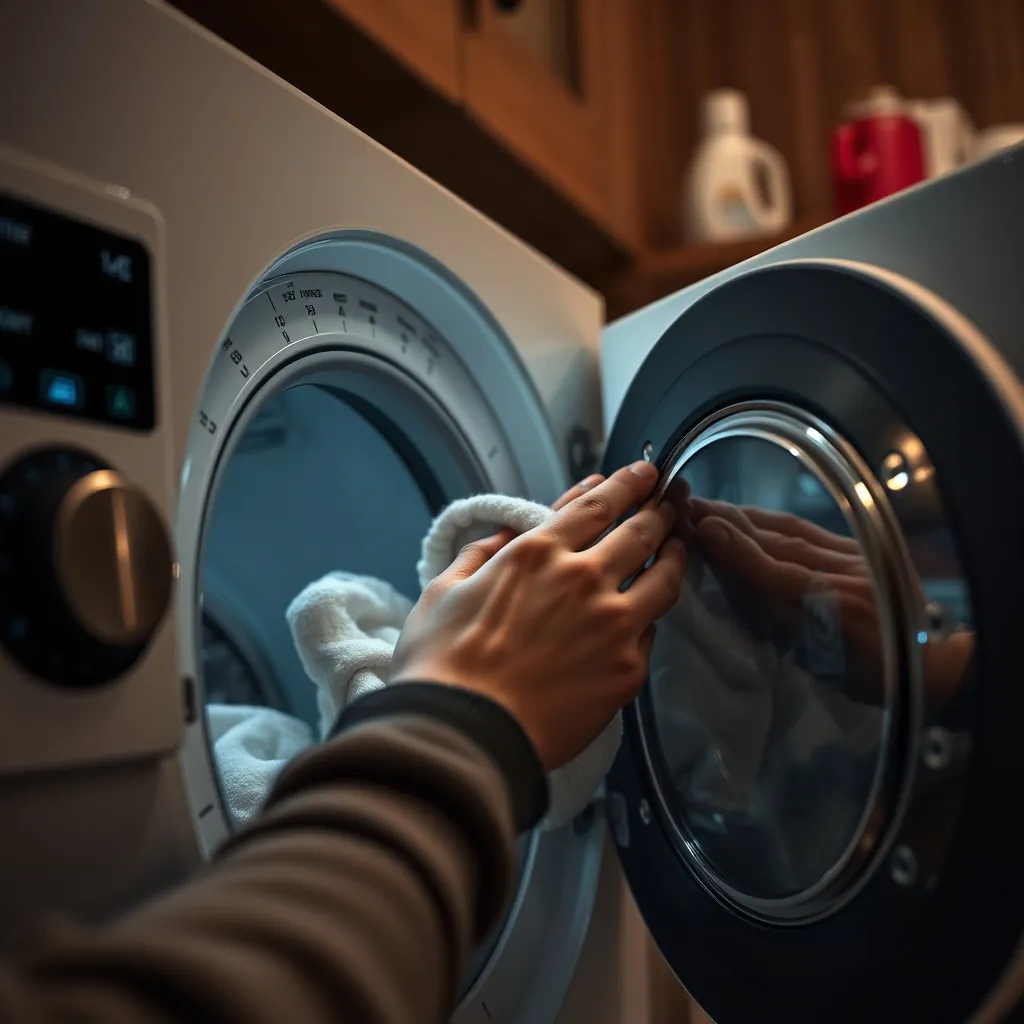
Once set up, familiarize yourself with the control panel. Ventless machines have different symbols and maintenance reminders. Aim to clean the lint filter after every cycle and the condenser filter at least once a month.
- For a comprehensive review of ventless laundry tech, visit LivingWise Reviews.
- If you want more tips for washer care, check out our other detailed guides on Quiet Noisy Pipes.
Advanced Analysis & Common Pitfalls
Based on research and user feedback, ventless washer dryers can be game-changers—but certain issues come up repeatedly. Here are the most frequent problems and how they compare to traditional systems:
| Feature | Ventless Washer Dryer | Standard Vented Dryer |
|---|---|---|
| Drying Time | 60–150 minutes (average loads) | 40–60 minutes |
| Energy Use | Lower (esp. heat pump models) | Higher |
| Maintenance | Frequent lint and filter cleaning required | Periodic vent cleaning |
| Clothes Wrinkling | Can be higher if overloaded | Generally lower |
| Installation Needs | No external vent; simple water and drain hookup | Requires vent installation |
Here are some pitfalls users face—along with practical solutions:
- Extended Drying Cycles: Clothes often take longer to dry. Plan loads accordingly and avoid overstuffing the drum.
- Water Collection Issues: Some models need a water tank emptied after every use if not plumbed to drain. Check this before you buy.
- Lint Blockages: Forgetting to clean the primary or condenser filter can cause malfunction or even shut down the dryer mid-cycle.
- Shrinking or Wrinkling: Delicate fabrics can shrink if you choose high heat settings. Use lower settings for synthetics or knits.
- Odors or Mold Growth: If the door is left closed between cycles, trapped moisture may cause smells. Wipe the door seal and leave it ajar when not in use.
For even more troubleshooting and customer experiences, check out our LivingWise Reviews section, where real users share solutions that work.

Conclusion
If you need a compact, flexible laundry solution, a ventless washer dryer could make life easier. Setup is straightforward, maintenance is doable, and the latest technology gives you real energy savings. But they aren’t perfect. Expect longer drying times and stay on top of cleaning. Ultimately, your unique needs will decide if a ventless washer dryer is the right appliance for you. Want more insight? Visit LivingWise Reviews to compare real product experiences and tips.
Ready to make a change? Take the next step—review detailed specs and current deals on the best ventless models today.
FAQ
How does a ventless washer dryer remove moisture?
It uses condensation or heat pump technology to extract and collect water from clothes, which is then drained away or collected in a tank.
Can I install a ventless washer dryer anywhere?
As long as you have access to a water source, drain, and the right electrical outlet, yes. No external vent is required.
Do clothes take longer to dry?
Generally, yes. Drying cycles are usually longer than vented dryers—plan laundry times accordingly.
What kind of maintenance do these machines need?
Regular cleaning of lint and condenser filters is essential. Some models also ask you to empty a water collection tank after each load.
Where can I learn more about user experiences?
Our LivingWise Reviews aggregates firsthand reports and expert tips to help you choose with confidence.