
Home EV charger installation has quickly become one of the top must-have upgrades for homeowners driving electric vehicles. As more people swap gas pumps for kilowatt-hours, understanding what’s really involved—from price to pitfalls—can save you money, headache, and wasted time.
Table of Contents
Key Takeaways
- Level 2 home EV charger installation typically runs $1,200 to $3,000, though costs swing widely by region and installation complexity.
- Electrical panel capacity and wiring distance have outsized influence on total project cost and timeline.
- Planning your install—choosing the right electrician, leveraging incentives, and minimizing wire runs—can save thousands.
What is Home EV Charger Installation and Why Bother?
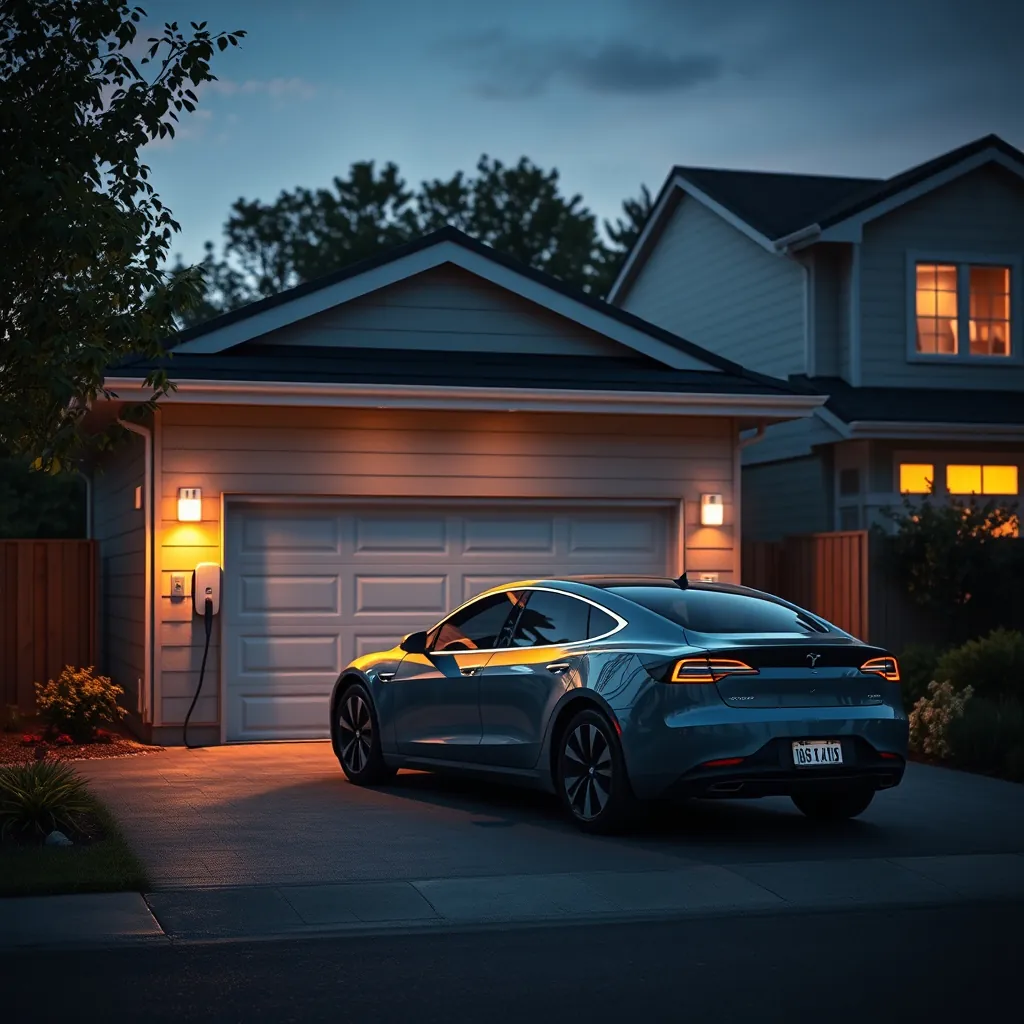
Home EV charger installation means setting up a dedicated charging station at your house, allowing you to reliably and safely power up your electric vehicle overnight or whenever it’s parked. Instead of relying on slow portable adapters or waiting in public charging queues, you wake up to a “full tank” at home. A home charger—especially a Level 2 model using 240 volts—can re-energize most EVs 5 to 7 times faster than a regular outlet. The other big reason to install at home? It saves time, adds long-term home value, and locks in cheap charging compared to public rates.
Step-by-Step Guide to Home EV Charger Installation
Ready to install your own EV charging station at home? Here’s a straightforward plan—no jargon, no skipped steps.
- Assess Your Daily Charging Needs
Determine your daily range, the EV model you own, and charging speed needs. Most drivers do well with a Level 2 charger. If you only drive a few miles daily or have easy access to workplace charging, Level 1 may suffice. - Choose the Right Charger Type
Level 1 is slow, plugging into a standard outlet. Level 2 (the standard for home) is much faster but requires a 240V circuit and, in some cases, hardwiring. - Evaluate Panel Capacity and Wiring Distance
Have an electrician assess your main panel’s spare amperage and determine the distance from panel to the future charger. Longer runs and insufficient panel space both hike costs. - Gather Multiple Licensed Electrician Quotes
Get at least three quotes from experienced, EV-certified electricians. Prices may vary by 40 to 60 percent, but the cheapest isn’t always the safest. (See more about vetting local contractors here.) - Check Permitting and Incentive Requirements
Some cities or utilities require permits before installation—don’t skip this or you may face fines or denied rebates down the road. - Order Your Charger and Book the Installation
Consider models with smart scheduling or Wi-Fi for extra convenience, especially if your utility offers “time of use” rates (see our notes on smart home appliance integration). - Installation Day: Site Prep and Install
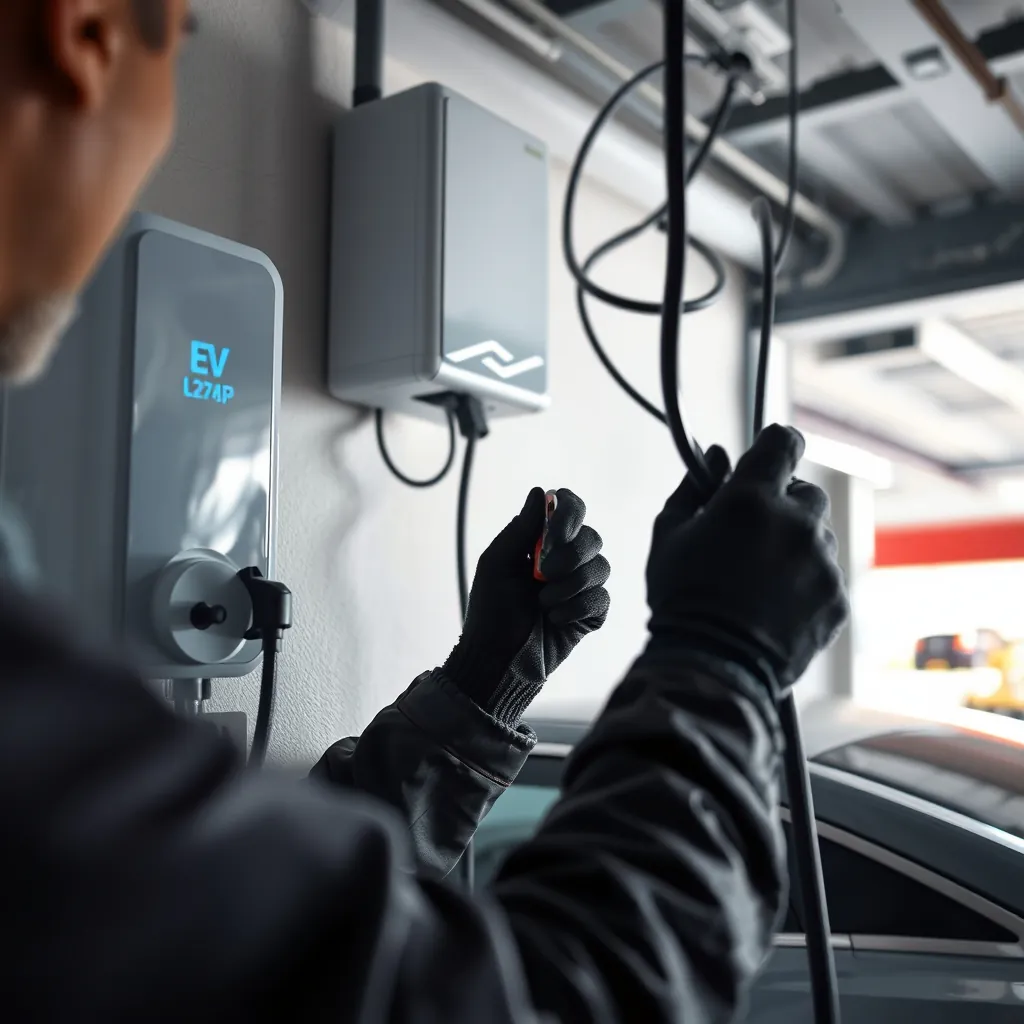
Electrician mounts the charger or outlet, runs wiring and conduit as needed, sets up GFCI protection, and completes any trenching (for detached garages or outdoor installations). Inspection may be required before first use. - Test Charging and App Setup
Verify charging works and download any companion app for monitoring and controls.
Advanced Analysis & Common Pitfalls: Real-World Issues Nobody Tells You
Most marketing makes home EV charger installation look easy, but reality often includes challenges and hidden costs.
Cost Realities and What Drives Surprises
| Cost Factor | Typical Range | Surprise Risk |
|---|---|---|
| Charger hardware | $400–$1,200 | Premium brands can double basic costs |
| 240V Outlet or Hardwire | $300–$800 | Long wire runs escalate per-foot wiring & labor |
| Install Labor | $400–$1,200 | Hourly rates change by region, experience, & complexity |
| Panel Upgrade | $1,500–$4,000+ | Often needed in old homes; unexpected unless checked early |
| Permits/Inspections | $50–$300+ | May be higher if local red tape involved |
Technical Snares
- Panel Capacity Overlooked: If your panel can’t support an added 40-to-80A circuit, “simple” jobs balloon into multi-thousand-dollar upgrades, especially in older homes. Panel upgrades are a common driver of higher-than-expected cost and timeline.
- Improper Permitting: Skipping or forgetting permits may void insurance or violate local building code.
- Choosing Wrong Charger Model: Not all chargers fit all vehicles or provide app features modern drivers expect. Check for compatibility and compare current smart charger models.
- Weather/Outdoor Proofing: If installing outdoors, failing to use weather-rated hardware or waterproof mounting can kill a charger’s lifespan.
- Installer Quality Gaps: Some “budget” bids come from electricians lacking EV experience or proper licensing. Always check credentials.
- Missed Incentives: Many states and utilities offer substantial rebates, but failing to fill out required paperwork or proof of permitted installation makes you ineligible. Read more about incentives here.
Need inspiration for maximizing other home upgrades? Check out our deep-dive on garage conversion ADU strategies and boosting home value.
What Competitors Don’t Cover
- User complaints: Most review guides don’t tell you how many delays or call-backs are due to panel upgrades or missed inspection requirements. Seek out independent reviews (try LivingWise Reviews) before finalizing your electrician pick.
- Tax Credit Details: Almost every EV install gets marketed as “incentive eligible,” but actual program terms, forms, and percentage requirements aren’t spelled out. Research your local programs in advance—start at city utility or federal energy pages, and look for programs covering up to 100% of installation in some areas.
- Smart Charger Feature Clarity: While more “smart” features are hyped, few sources meaningfully compare their ease of setup, mobile app quality, or real outcomes. Wait for user-tested product roundups before splurging on a “top 2026” contender.
For homeowners wanting efficiency in every upgrade, don’t miss our actionable guide to indoor cold plunge tub setups—it’s packed with practical cost and installation advice.
Conclusion: Is Home EV Charger Installation Worth It?
Home EV charger installation delivers convenience, added property value, and long-term savings. But you need to plan every step—panel upgrades, charger choice, and even incentive paperwork—upfront to avoid pitfalls. Realistic budgeting, careful electrician vetting, and attention to detail pay off. Ready to save money and upgrade your home? Take action now: price out your home EV charger installation with a certified pro and ask about available rebates before starting the work.
FAQ: Home EV Charger Installation
How much does it cost to install a Level 2 home EV charger?
The typical Level 2 charger project ranges from $1,200 to $3,000, with a national average near $2,100. Prices depend on wiring distance, panel upgrades, and regional electrician rates. See research data here.
Can I install a home EV charger myself?
Some Level 1 chargers plug into existing outlets, but Level 2 installation usually requires a licensed electrician due to high-powered 240V circuits. DIY wiring may violate code, void warranties, or be dangerous.
Are incentives or rebates available for home EV charger installation?
Yes, many utilities and local governments offer rebates (sometimes up to 100% of your costs), but programs vary by region—and you’ll typically need a permitted install by a licensed professional. Always check with your city or state energy office before starting work.
Will I need to upgrade my electrical panel?
If your main panel lacks spare ampacity (space and capacity for a 40A-80A circuit), expect to pay $1,500 to $4,000 for an upgrade. An electrician’s inspection before installation is crucial.
Can I use my EV charger outside?
Yes, outdoor installation is common—but your charger must be rated for exterior use, and weatherproof wiring/conduit is essential for safety and longevity.