
Whole home water filtration system installation is one of the smartest upgrades for better water quality, fewer plumbing hassles, and peace of mind about drinking, bathing, and cooking with safe water.
Key Takeaways
- Whole house water filter systems cost $1,044 to $3,266 on average in 2024, depending on filter type, installation, and maintenance.
- The biggest mistakes homeowners make include misjudging water pressure impacts and underestimating filter replacement costs.
- Choosing the right system and understanding installation challenges is critical for reliable, low-maintenance water purification.
- What Is a Whole Home Water Filtration System?
- Step-by-Step: How to Choose and Install a System
- Advanced Analysis and Common Pitfalls
- Conclusion
- FAQs: Whole Home Water Filtration Systems
What Is a Whole Home Water Filtration System?
A whole home water filtration system filters all the water as it enters your home, shielding every tap, shower, and appliance from sediment, chemicals, and contaminants. Unlike under-sink filters that only treat a single faucet, these systems offer house-wide protection. This benefit is especially crucial if you rely on well water, have old pipes, or want to remove chlorine, lead, heavy metals, or other impurities from your municipal water before it ever reaches your glass or washing machine.
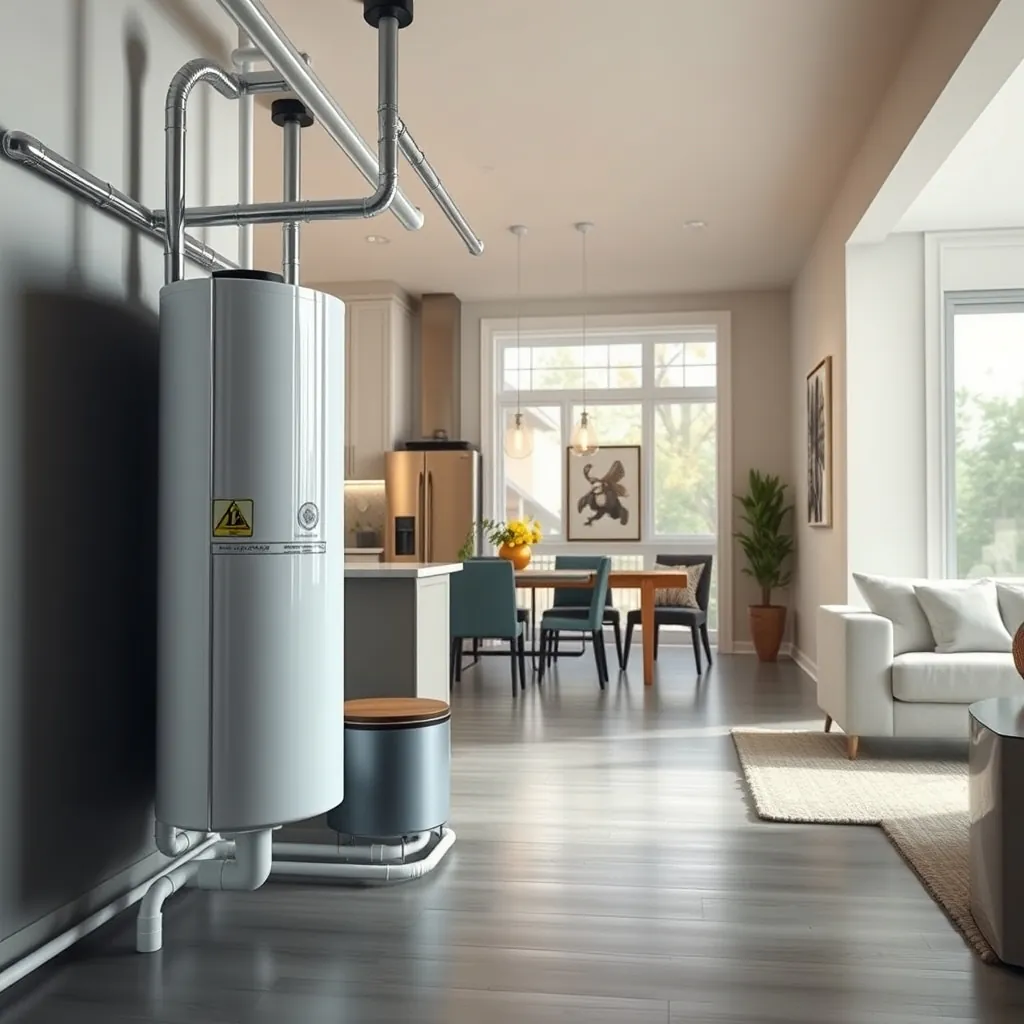
Most systems use a series of filters—typically sediment pre-filters, activated carbon, UV sterilization, or even reverse osmosis—to target different types of pollutants. Whether on city or well water, these filters not only improve taste and odor but can also prolong the lifespan of your appliances and pipes by removing damaging minerals and debris.
The market features both point-of-entry (POE) systems for whole-house coverage and under-sink or tap-based models for spot filtration. POE solutions may also be combined with water softeners for hard water regions, and newer models integrate smart monitoring for easy maintenance tracking.
Step-by-Step: How to Choose and Install a System
-
Assess Your Water Source and Needs:
- Get your water tested for contaminants, hardness, and sediment. Purchase a home test kit or use your municipal water report.
- Determine typical issues: chlorine odor, heavy metals, bacteria, iron staining, hard water spots, etc.
-
Select Filtration Technology:
- Carbon/sediment filters: Remove chlorine, odor, sediment, and some metals. $850 to $2,900 installed (source).
- Reverse osmosis (RO): Removes almost all contaminants but at high upfront and maintenance costs ($4,800 to $8,000, filter changes $145+ per year for under-sink; higher for POE).
- Well water filters: Specialized for iron, sulfur, bacteria, and sediment. Often add UV purification and chemical injection. $800 to $4,000 (source).
- Best reviewed 2024 models: SpringWell CF (lab-tested, $1,015), Kind E-3000 ($1,798) (source).
-
Estimate All-In Costs:
- System: $1,044 to $3,266 average for most homes.
- Installation labor: Add $200 to $600 (source).
- Ongoing: Filter replacements every 3-12 months at $20 to $200 per filter.
- Extra for smart features ($200 to $800), UV ($500 to $2,000), or advanced sediment pre-filters ($100 to $400).
-
Plan the Installation:
- Most DIYers can install cartridge and tank-based filters with basic plumbing skills. Professional installs are safer, especially if pipe cutting is required or local codes mandate inspection.
- Ensure system fits the main water line, has clearance, and avoids freezing pipes.
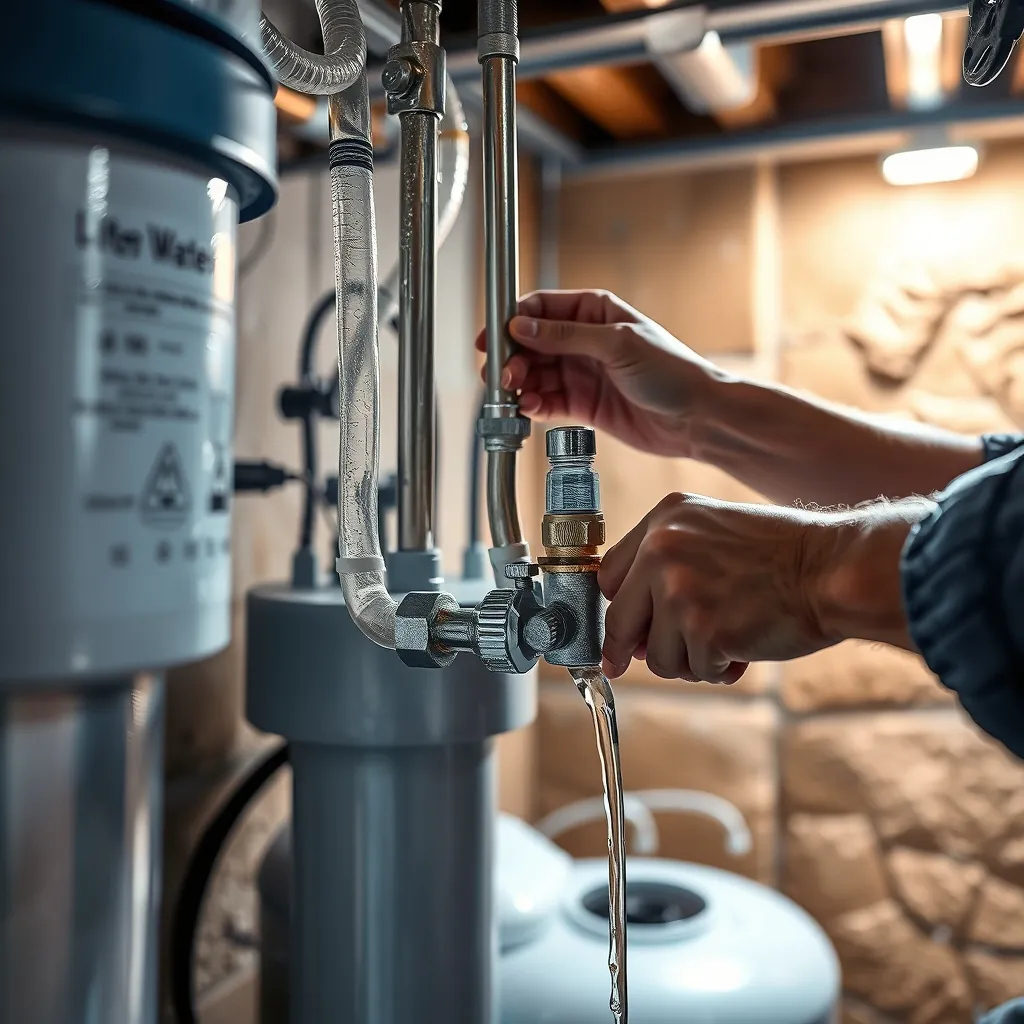
- Shut off water, drain lines, cut the main, mount filter, attach bypass valve, and connect system—test for leaks.
-
Set Up Maintenance:
- Mark filter change intervals. Monitor water pressure with smart systems where available.
- Keep a schedule for service, especially for RO membranes, backwashing filters, or UV bulbs.
Want expert help with complex installations? Check out our ADU conversion guide for tips on hiring legitimate pros for home upgrades, and home EV charger installation insights if you’re considering electrical upgrades alongside plumbing work. These resources can help you avoid costly mistakes and streamline inspections.
Advanced Analysis and Common Pitfalls
Even the best whole home water filtration system isn’t set-and-forget. Here are realistic problems and pitfalls many homeowners face, and what to watch out for:
- Water Pressure Drops: Poorly sized or failing filters can sharply drop pressure to showers and fixtures. Whole-house systems may reduce pressure if sediment builds up or cheap filters clog quickly. Always size for flow rate and check pressure specs before purchase.
- Filter Lifespan & Overlooked Costs: Filter lifespan varies enormously with local water quality—sediment-heavy or hard water means more frequent replacements. Forgetting to change filters on time risks bacteria growth or system failure. Annual maintenance costs range from $80 to $600+ for multi-filter or RO systems.
- Backwashing Increases Water Bill: Tank-based or automatic backwashing filters use significant water—up to hundreds of gallons a month. If you’re on a water meter, this can raise costs unexpectedly.
- DIY Installation Mistakes: The majority of DIY mistakes come from improper pipe cuts, cross-threaded connections, or skipping pressure tests. Even under-sink installs can leak or fail with plastic threads overtightened or O-rings misaligned.
- Solution Fit: Not all homes need advanced RO or UV systems. For many city homes, a carbon or sediment filter is sufficient; for wells, you’ll likely need multi-stage including UV.
Below is a head-to-head comparison of common filter system types and essential facts:
| Type | Best for | Contaminants Removed | Average Cost Installed | Maintenance Needs | Lifespan (Filter) | Common Issues |
|---|---|---|---|---|---|---|
| Carbon/Sediment Filter | Municipal water | Chlorine, sediment, some metals | $850–$2,900 | 3–12 month filter swap | 3–12 months | Clogs, pressure drops |
| Reverse Osmosis (RO) | High-contaminant water | 99% dissolved solids and pathogens | $4,800–$8,000 | 6–12 month pre-filter, 2–3 years membrane | 6–12 months pre, 2–3 years membrane | Maintenance intensive, water waste |
| Whole House Well System | Well water homes | Iron, bacteria, sediment, sulfur | $800–$4,000 | 3–6 month sediment filter, UV bulb yearly | 3–12 months | High upkeep, extra pre-filters |
For more on avoiding noisy pipe issues post-install, visit LivingWise Reviews. If you’re curious about related home upgrades, explore safe bathroom remodeling tips or DIY home soundproofing solutions for a quieter, healthier home.
For those on well water, maintenance needs and costs will be higher. Expect to swap pre-filters more often, test for contaminants annually, and budget for UV or additional systems.

Conclusion
Installing the right whole home water filtration system gives your entire household reliable, great-tasting, and safer water. Costs can vary widely, so careful needs assessment and honest budgeting are essential. Know the difference between city and well water demands, maintenance schedules, and the realities of pressure or plumbing risks. Invest wisely by asking hard questions, and you’ll enjoy better quality water and longer-lasting plumbing. To make sure your upgrade runs as smoothly as possible, don’t hesitate to revisit our expert guides on interior upgrades or connect with local professionals.
Ready to improve your water quality? Assess your needs, compare system options, and install your own whole home water filtration system—or get a pro’s help for a true set-it-and-forget-it solution.
FAQs: Whole Home Water Filtration Systems
How much does a whole home water filtration system cost in 2024?
National averages range from $1,044 to $3,266 including installation, but advanced systems (like reverse osmosis or UV) can surpass $8,000. Filter replacement and backwashing costs should also be included. Learn more.
Do whole home water filters reduce water pressure?
Yes, all filters introduce some restriction. Poorly sized or clogged filters cause the biggest drops. Choosing a unit rated for your home’s flow rate and scheduling regular filter changes will keep pressure loss minimal.
What’s the difference between a water softener and a whole house filter?
Water softeners remove hardness minerals (calcium, magnesium) but do not remove chemical contaminants or sediment. Whole house filters target a wider range of pollutants—combine systems if you need both effects.
How often do whole home filters need replacement?
Sediment and carbon filters: every 3–12 months. RO membranes: every 2–3 years. Maintenance can be more frequent with high sediment or well water, or if household water demand is high.
Can I install a whole home water filtration system myself?
Some cartridge and tank systems are DIY-friendly if you’re confident with plumbing. However, professional installation is recommended for main line or complex multi-stage systems to avoid leaks, code issues, or performance drops.