
Peel and stick tile backsplash has become a top choice for quick, affordable kitchen and bathroom upgrades in 2024. Whether you are a renter or homeowner, this DIY solution promises easy installation and stylish results—but there are key pros, cons, and practical tricks you must know before you buy.
Key Takeaways
- Peel and stick tile backsplash is booming, driven by demand for DIY and rental-friendly upgrades yet faces challenges with durability in heat and moisture.
- Installation is beginner-friendly and affordable, but understanding technical specs and removal methods is critical—especially for renters.
- Practical hacks can help avoid common pitfalls and get a long-lasting, stylish result without surface damage.
Table of Contents
What Is Peel and Stick Tile Backsplash—And Why Choose It?
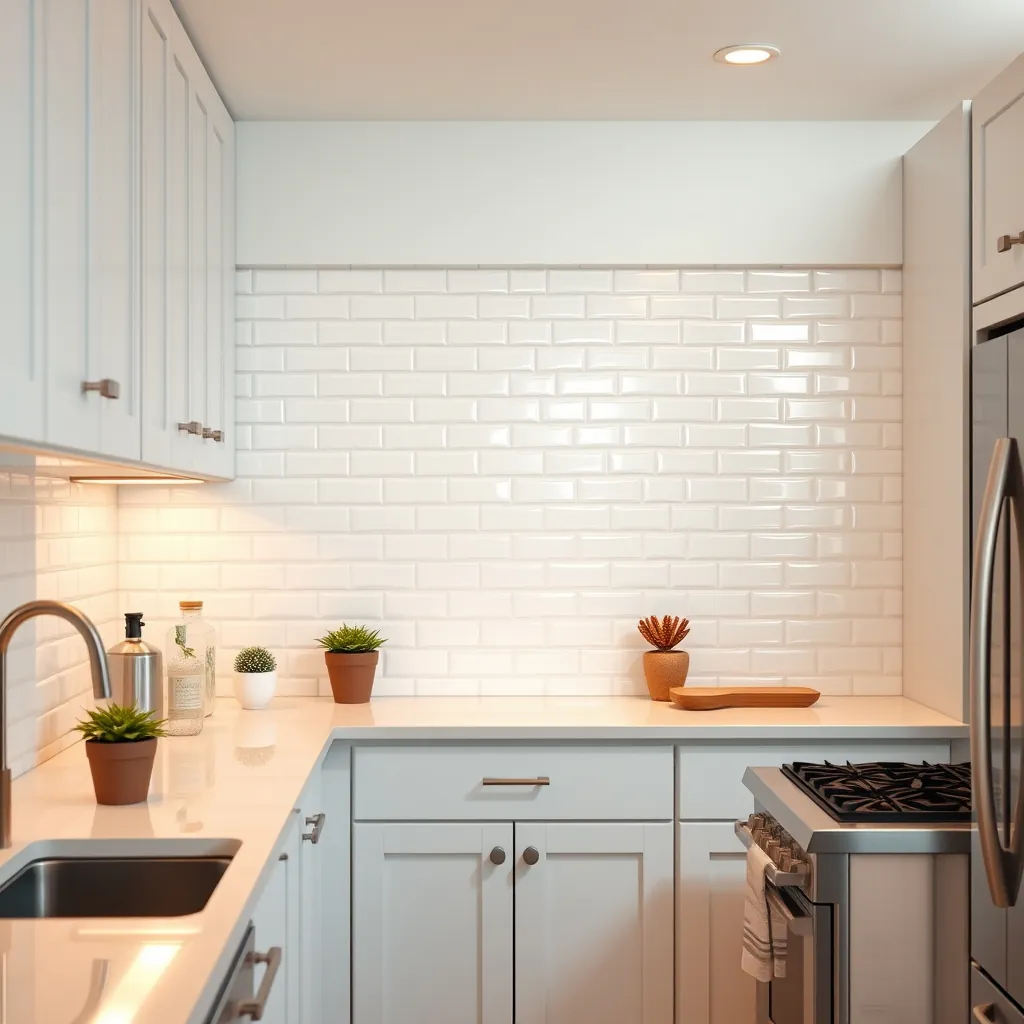
Peel and stick tile backsplash is a self-adhesive wall covering designed to mimic the look of real tiles—without the mess, cost, and permanence. Made from vinyl, plastic, metal, or gel-resin, these tiles come as sheets or panels with adhesive on the back. Installers simply measure, cut, peel away the liner, and stick tiles directly to a clean wall surface. This approach appeals to renters, budget-minded homeowners, and anyone seeking a fast kitchen or bath makeover.
Key advantages include:
- DIY installation—No pros, grout, or specialized tools required
- Removability—Ideal for temporary or rental settings
- Cost-effectiveness—Transform a backsplash for under $200 (compared to $1,000+ for traditional tile with pro installation)
- Wide variety—Modern options include faux metal, marble, subway, geometric, and more
The global market for peel and stick tile backsplash climbed to $1.2 billion in 2023, projected to double by 2032, reflecting a shift toward smart, non-permanent upgrades for kitchens and bathrooms [source]. Vinyl remains the most popular choice, but lightweight real metal and foam-backed products are gaining traction for custom looks and affordability.
Step-by-Step Guide: How to Install and Remove Peel and Stick Tile Backsplash
Ready to upgrade your kitchen or bathroom with peel and stick tile backsplash? Here’s a realistic, actionable step-by-step guide for a lasting result—plus how to remove tiles cleanly if you rent.
1. Prep the Surface
- Deep clean the wall. Remove all grease, dust, and debris using degreasing cleaner or rubbing alcohol.
- Pat dry. Tiles stick best to completely dry surfaces with a smooth finish—semi-gloss or eggshell paint is ideal.
- Repair bumps or holes for a flat surface.
2. Plan the Layout
- Dry-fit your tiles for best appearance and minimum cuts.
- Mark a level horizontal guideline to keep the first row perfectly straight. Use a ruler or laser level for best results.
3. Measure and Cut
- Measure each tile section and mark cuts with pencil on the backing liner.
- Use sharp scissors, a craft knife, or a utility blade for precise cuts. For thick panels or complex patterns, a straightedge or cutting mat improves accuracy.
4. Peel and Stick
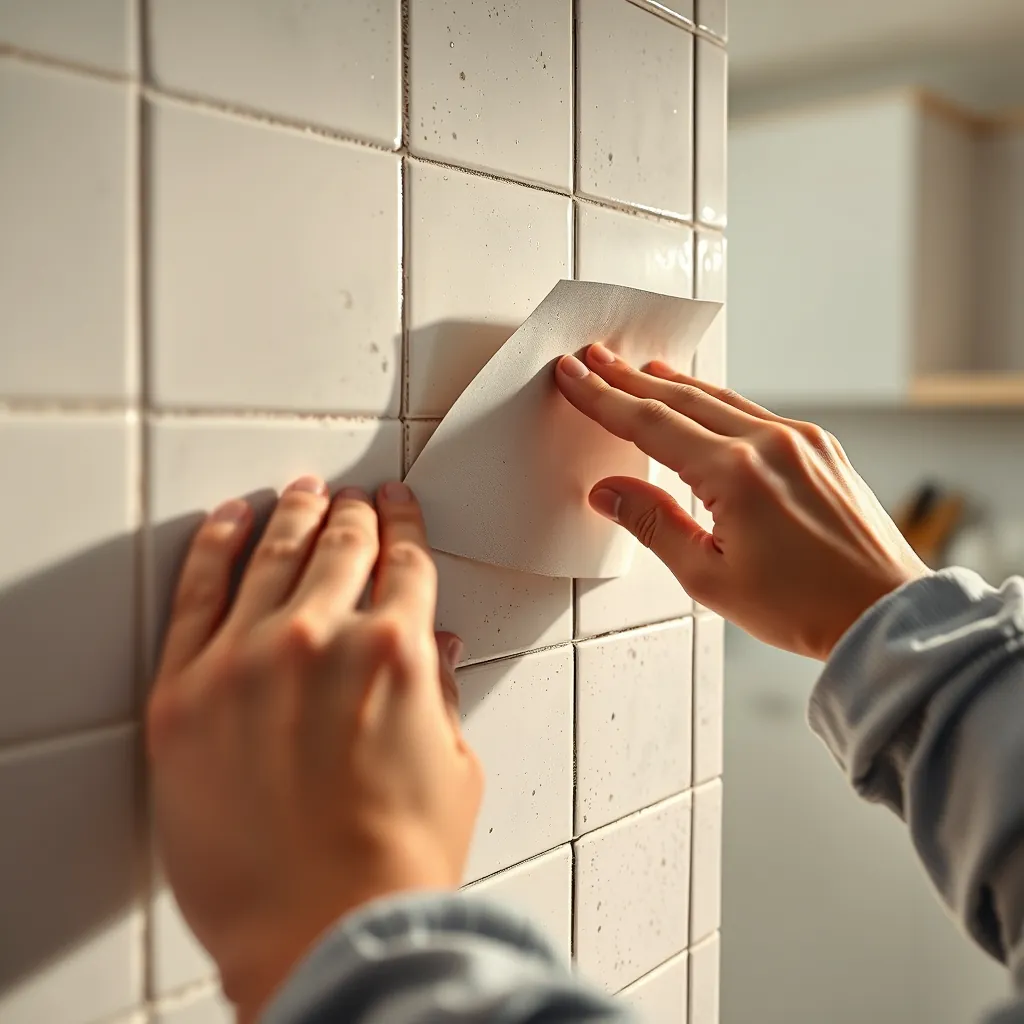
- Remove a few inches of the backing liner—don’t peel off the entire sheet yet.
- Position the tile at your guideline and press down firmly, smoothing air bubbles as you go. Reveal more adhesive as you work across the tile.
- For a seamless look, overlap edges as directed by manufacturer or tightly butt tiles together—it varies by brand.
5. Seal Edges in High-Moisture Areas (Optional)
- Apply a thin bead of clear silicone caulk along seams near sinks, behind faucets, or dishwashers for added water resistance.
6. Removal: How to Take Off Peel and Stick Tiles Without Damage
- Use a hair dryer or heat gun on the lowest setting to gently warm tiles. This softens the adhesive.
- Slowly peel tile from the corner, keeping the device moving to avoid melting the vinyl or paint.
- Remove any lingering adhesive with citrus-based remover or mild soap and a soft cloth. Skip harsh scrapers—these can gouge paint or drywall beneath.
7. Clean Up & Enjoy
- Buff finished backsplash lightly with a clean, dry cloth to remove fingerprints.
- Avoid heavy steam and moisture for 48 hours after install to let the adhesive set completely.
For more hands-on DIY project ideas, check out our ventless washer dryer installation guide or explore affordable outdoor kitchen ideas on a budget.
Advanced Analysis & Common Pitfalls
The peel and stick tile backsplash market is expected to surge past $2.5 billion by 2032. But market growth doesn’t mean these solutions are perfect. Here’s what can go wrong—and how to avoid headaches:
- Poor Durability: Cheaper brands with foam/plastic backing may curl, bubble, or warp when exposed to heat (especially behind stoves) or regular splashes. Vinyl is most common, but performance varies widely.
- Adhesion Fails: Rough, dirty, or damp walls prevent strong bonding. Even “high-tack” adhesives need a clean, smooth, completely dry surface to grip well.
- Edge Lifting or Gaps: Rushed installation, skipping edge caulk in wet areas, or misaligned tiles cause edges to peel and moisture to enter behind tiles.
- Wall Damage During Removal: Most modern products are renter-friendly, but heavy heat, humid bathrooms, or older wall paint can lead to paint pulls. Always test a small section and use gentle heat to lift tiles.
- No Real Grout: Unlike traditional tile, peel and stick options don’t use grout, making them easier to clean but possibly less authentic in appearance. Grout pen or caulk can fake the look with careful application.
How do peel and stick options stack up against traditional tiles? Here’s a quick, research-backed comparison:
| Aspect | Peel and Stick | Traditional Tile |
|---|---|---|
| Average Cost | Under $200 (DIY) | Over $1,000 (pro install) |
| Durability | Moderate; prone to heat/moisture issues | High; ceramic, porcelain, and stone last decades |
| Maintenance | Low; wipe clean, no grout | Higher; require grout cleaning and sealing |
| Renter Suitability | Excellent—removable and non-damaging when installed/removed carefully | Poor—permanent install, risk of wall damage during removal |
If you want to optimize your entire bathroom for usability and safety, see our expert advice on aging in place bathroom remodeling and modern fluted panels interior ideas.
Market projections show North America is a leader (7.5% CAGR), but adoption is increasing fastest in Asia Pacific and Europe thanks to urbanization and rental housing trends [source]. Still, technical specs remain vague; top manufacturers rarely publish exact water resistance or adhesive ratings. If you’re covering areas near heat or water, invest in tiles marketed as “kitchen-safe,” with upgraded adhesives and consider caulking edges.
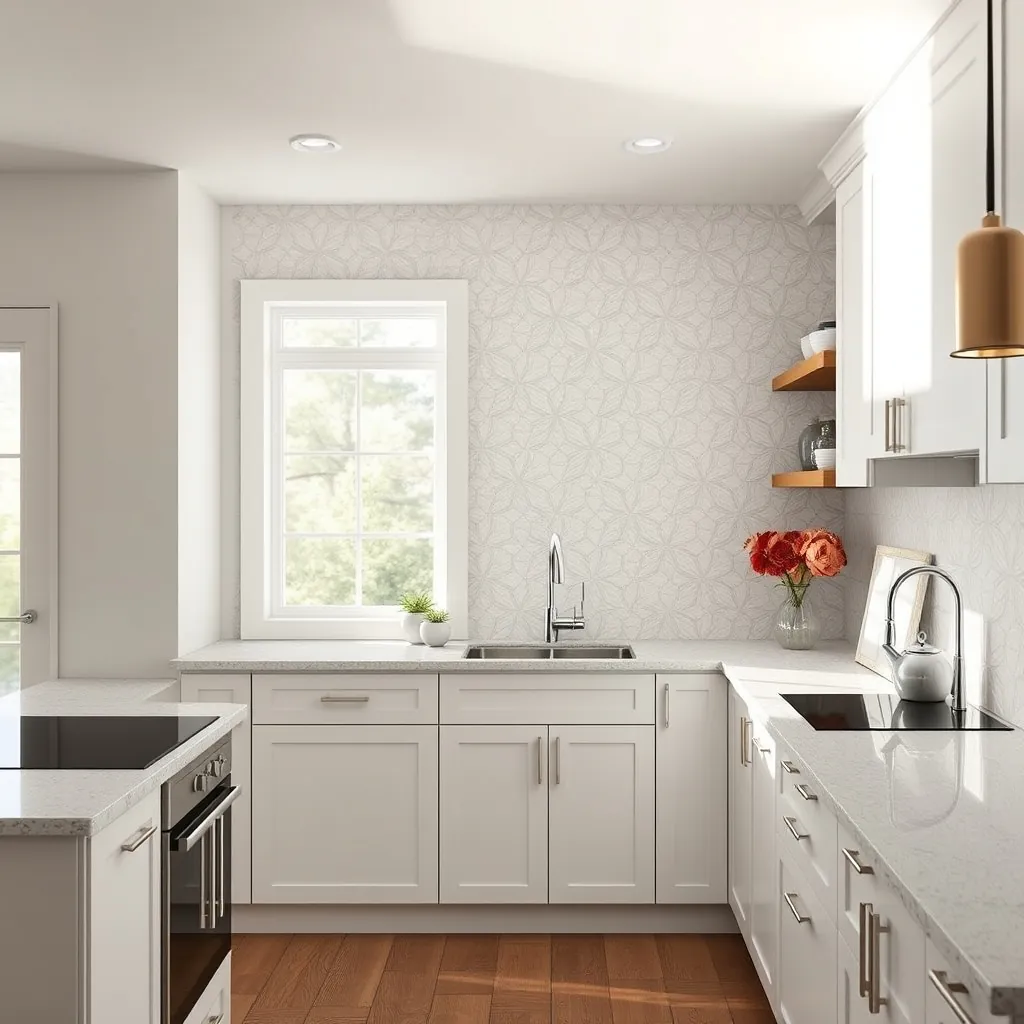
Removable wallpaper also provides a budget DIY backsplash alternative, but detailed market stats remain sparse [source].
Conclusion
Peel and stick tile backsplash offers unmatched convenience for renters or budget-conscious renovators in 2024. Fast, affordable, and stylish, it can transform any kitchen or bath in a day. But real-world success means knowing the technical limits—especially heat and water exposure—and learning pro-level install and removal tricks. If you’re craving other upgrade ideas that won’t break your lease or budget, explore our guides on garage conversion ADUs or home water filtration systems.
Ready to refresh your space? Start with the peel and stick tile backsplash steps above—and share your before and after results with us.
Frequently Asked Questions
Can peel and stick tile backsplash be used behind stoves or sinks?
Most peel and stick tile backsplash products are water-resistant but not heatproof. Use only tiles rated for “kitchen-safe” behind low-heat stoves, or add a glass/metal panel above burners for extra protection. Always caulk edges near water sources.
Will peel and stick backsplash damage rental walls during removal?
If applied to clean, smooth, properly primed painted drywall and removed with mild heat, modern peel and stick backsplash rarely causes wall damage. Always test a small area before full removal and avoid scraping tools that can gauge drywall or paint.
How long does peel and stick tile backsplash typically last?
Most quality peel and stick tiles last 3–7 years in low-moisture, low-heat areas. Cheaper brands may peel or bubble sooner. For high-traffic or wet spots, consider traditional tile for longevity.
What surface prep is required before installation?
The wall must be completely clean, dry, and smooth. Remove all grease, dust, and repair holes for maximum adhesion. Avoid textured surfaces or walls with peeling paint.
What are some renter-friendly kitchen or bath upgrades besides peel and stick tile?
Consider removable wallpaper, adhesive backsplash panels, and smart plug-in appliances like ventless washer dryers, or update your faucets and cabinet hardware for easy, damage-free style boosts.