
White oak kitchen cabinets have become the gold standard for modern kitchens, bringing a blend of organic warmth, timeless grain, and Scandinavian-inspired minimalism. If you’re exploring cabinet choices for a remodel or new build, understanding why white oak dominates—and how to maintain or source it properly—will help you make a smart long-term investment.
Key Takeaways
- White oak kitchen cabinets lead market trends in 2026, valued for their durability, even grain, and organic design versatility.
- Expect a 20-35% price premium over maple or red oak, especially for rift-sawn or custom options with high-end finishes.
- Correct finish and hardware choices, plus realistic maintenance, are vital for maximizing value and lasting beauty.
Table of Contents
What Makes White Oak Kitchen Cabinets Special?
White oak kitchen cabinets have surged past plain-painted cabinets and even other popular woods, like maple or red oak, to become the number one choice in American kitchen remodels. This isn’t just a passing trend. Driven by Modern Organic, Scandinavian, and Japandi styles, white oak’s clean, straight grain and cool-neutral undertones make it the go-to anchor neutral for new kitchens in 2026 [Source].
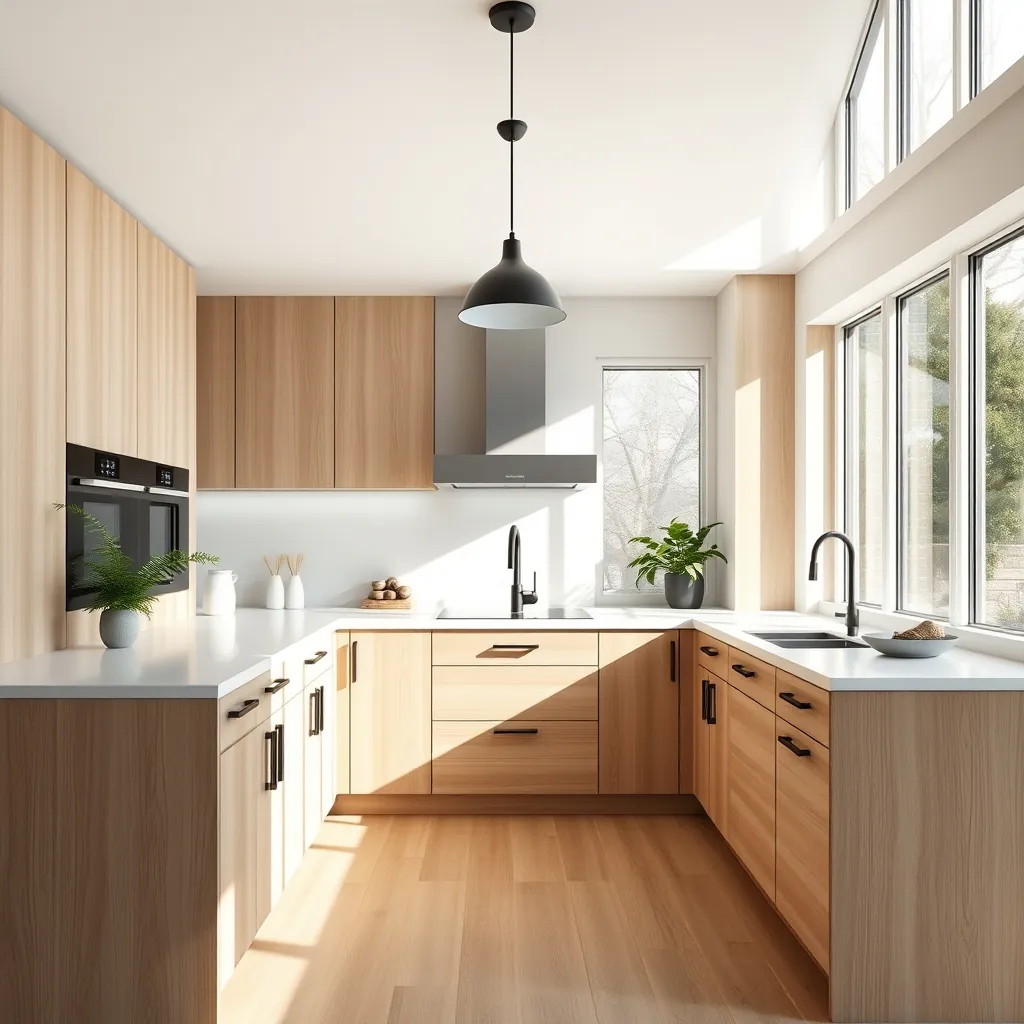
Compared to painted or basic maple cabinets, white oak options offer tangible benefits:
- Durability: One of the most dent-resistant domestic hardwoods, great for high-traffic kitchens.
- Design Flexibility: Supports everything from minimal “Skinny Shaker” to organic-modern slab doors.
- Timelessness: Not prone to short-lived fads, so your cabinetry stays relevant for resale.
Major real estate trends confirm that wood cabinetry overtook white as the preferred choice: in 2026, 29% of remodels used wood finishes—a 6-point increase over the previous year (Source).
Cost does reflect this demand. Expect to pay 20-35% more for white oak versus baseline choices like maple or stained red oak, especially if you’re after high-end rift-sawn or book-matched effects.
How to Choose and Implement White Oak Cabinets: Step-by-Step Guide
- Define the Scope and Style
Start by clarifying your design goals. Popular looks include rift-sawn “Skinny Shaker” or minimalist Scandinavian slab. Decide between natural, lightly stained, or matte finishes to align with current trends.
- Set a Realistic Budget
Stock or RTA (ready-to-assemble) white oak cabinets start around $250–$450 per linear foot. Semi-custom brings more finish options at $450–$750 per linear foot, while fully custom, especially rift- or quarter-sawn, can exceed $1,200 per linear foot [Source].
- Choose Grade and Cut
The modern look is “rift-sawn” (ultra-linear grain, minimal pattern) or “plain-sawn” (visible cathedral arches). Rift-sawn gives you that clean Scandinavian feel but costs more due to higher lumber waste and selection standards.
- Select Your Finish
Go for high-performance waterborne polyurethane topcoats for durability. Natural, matte, or light stains are most on-trend and bring out the wood’s subtle grain. Avoid heavy varnishes that yellow over time.
- Pick Hardware Thoughtfully
Brushed brass, slim matte black pulls, or exposed minimalist hinges are trending. Don’t overlook how hardware complements your door profile and overall vibe. For more hardware pairing ideas, see our guide on fluted panels interior.
- Work with a Qualified Installer
Quality installation will prevent gaps, ensure smooth drawer action, and avoid finish damage. A skilled cabinetmaker can also help you match grains across adjacent panels for a seamless look.
- Plan for Upkeep
While white oak is durable, proper care ensures lasting beauty. Dust regularly, wipe up spills promptly, and avoid harsh chemical cleaners. (See the FAQ for more tips.)
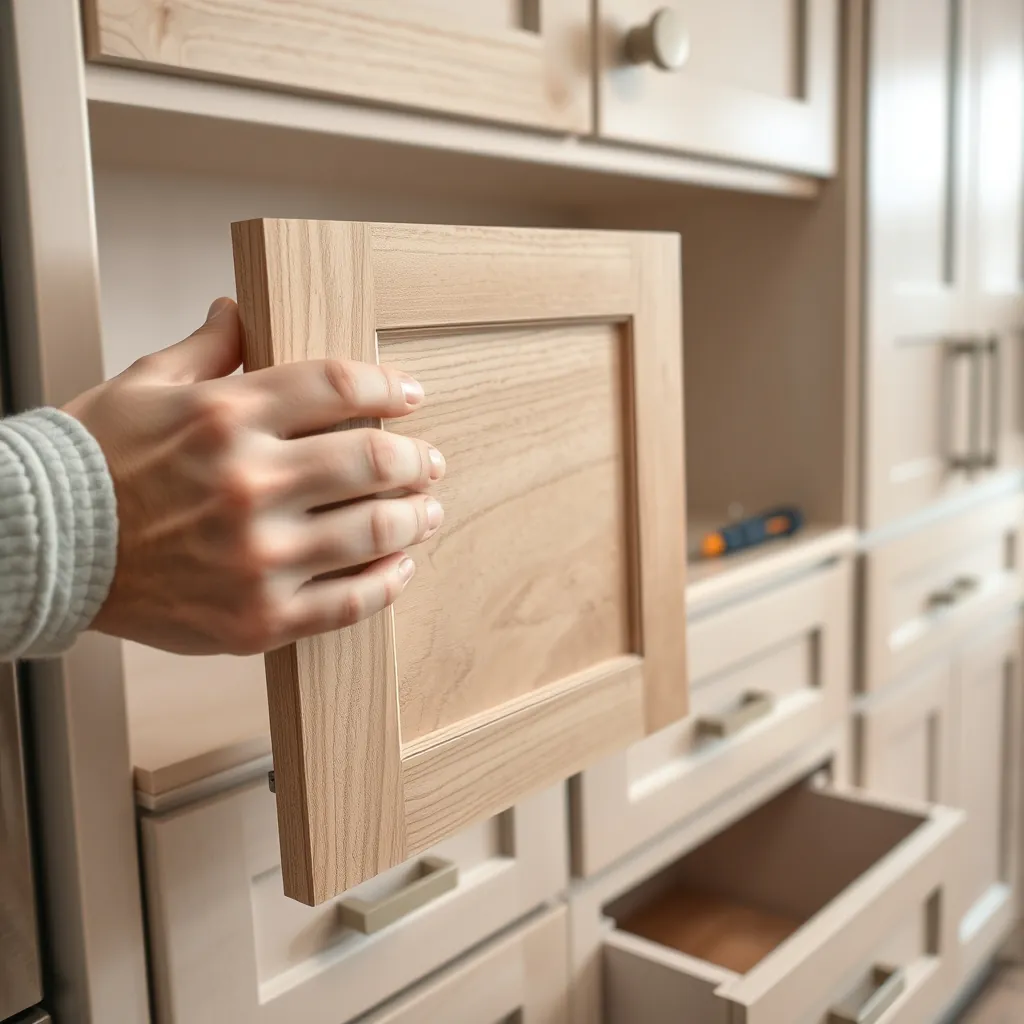
Ready for inspiration? For a guide to creative kitchen upgrades beyond cabinetry—like easy backsplash swaps—see our peel and stick tile backsplash guide.
Advanced Analysis & Common Pitfalls
As popular as white oak kitchen cabinets are, they’re not a one-size-fits-all solution. Here’s what you need to know before going all-in—and how to avoid common mistakes.
Challenges and Regrets (What Homeowners Wish They Knew)
- Cost Surprise: Even “stock” white oak cabinets will carry a 20-35% price premium over painted maple or basic red oak. If you upgrade to custom work and rift-sawn grain, the cost can be double or triple your initial estimate [Source].
- Not All Grain Is Created Equal: Cheaper, plain-sawn oak (with cathedral grain) can look busy, aging your kitchen or clashing with minimalist aims. Only rift-sawn and quarter-sawn cuts deliver the subtle, modern look popular now.
- Maintenance Blind Spots: There’s little data on unique day-to-day maintenance issues. Still, as with all wood, moisture is the enemy—be meticulous about cleaning up spills promptly and not letting standing water soak seams.
- Yellowing and Finish Degradation: Oil-based polyurethanes tend to amber over time, which can dull the natural cool tones of premium white oak.
White Oak vs. Maple: At-a-Glance Comparison
| Attribute | White Oak | Maple |
|---|---|---|
| Popularity (2026) | #1 for modern cabinetry | #2 (primarily paint-grade) |
| Price per Linear Foot | $250–$1200+ (premium tiers) | $180–$875 (generally lower tiers) |
| Durability | Highly dent and moisture resistant | Very good, but more prone to scratches |
| Grain / Appearance | Straight, tight, cool-neutral | Smooth, subtle, warmer |
| Trend Longevity | Timeless (Scandi, Organic, Japandi) | May date quickly if painted |
Hardware and Design Pitfalls
- Hardware Mismatch: Slim, minimalist hardware—especially exposed brass hinges—complements white oak best. Bulky traditional pulls or ornate hardware can undermine the clean effect. For pairing ideas, see our guide to garage conversion ADU designs.
- Finish Missteps: Using high-gloss finishes or dark stains can mute the wood’s beauty and look dated faster. Stick with matte or natural options for lasting value [Source].
If your white oak cabinets will anchor a larger kitchen transformation, it’s smart to coordinate with soundproofing and lighting choices. See our home soundproofing guide for more ways to optimize the kitchen environment.
Conclusion
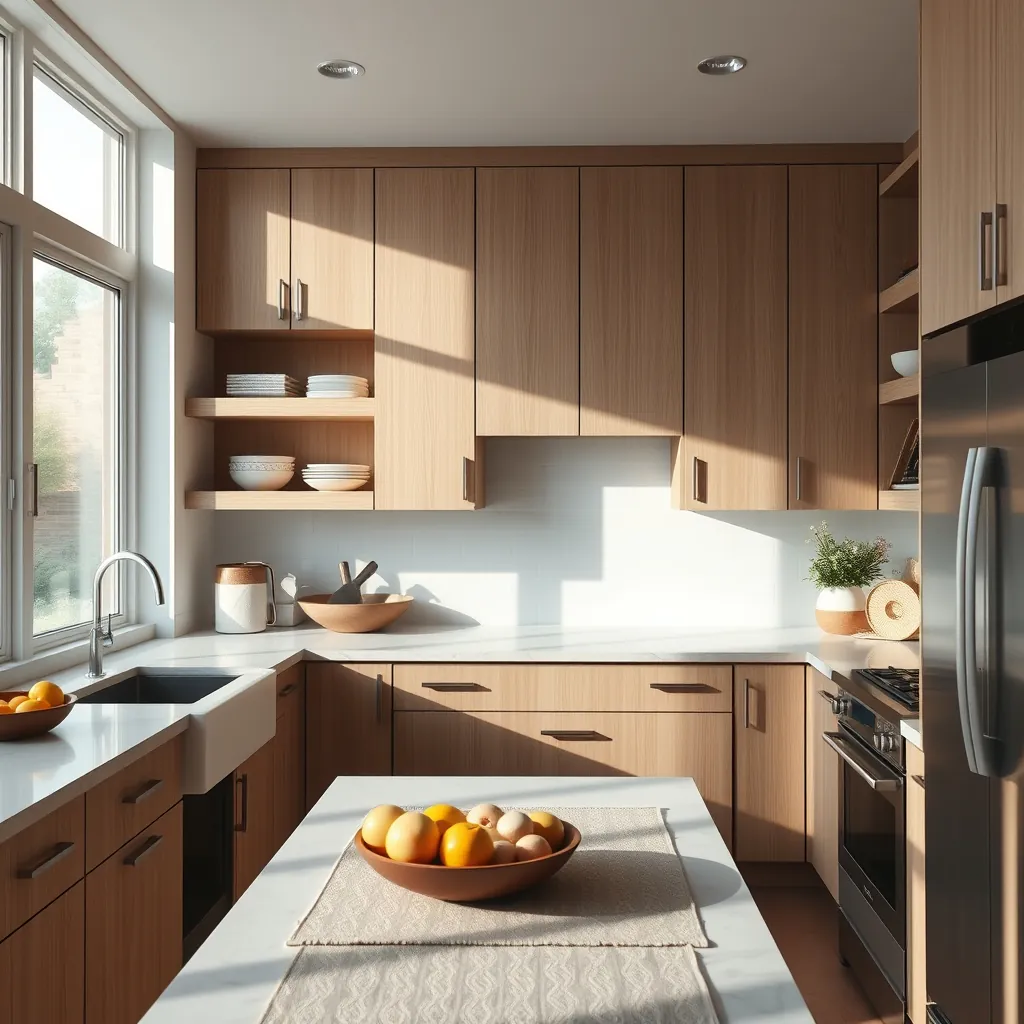
White oak kitchen cabinets are the top choice in 2026 for good reason: they blend durability, beauty, and resale value like few other materials. But getting the most from your investment means choosing the right grain, finish, and hardware—and partnering with a skilled, detail-oriented installer.
Ready to start your remodel? Assess your budget, learn the latest hardware and finish trends, and browse our collection of practical upgrade guides (like space-saving laundry solutions or energy efficient window options) for a holistic home update.
If you want a kitchen with enduring style and lasting functionality, white oak kitchen cabinets are a smart, future-proof investment—just go in with your eyes open and your research done.
Start planning, get honest quotes, and don’t be afraid to ask cabinetmakers about small but vital details before you commit.
Frequently Asked Questions
Are white oak kitchen cabinets hard to keep clean?
White oak is naturally resistant to dents and stains. For general cleaning, dust regularly and use a mild dish soap diluted in warm water, wiping with a soft microfiber cloth. Avoid abrasive cleaners and sponges to preserve the finish.
Why do white oak cabinets cost so much more than maple?
Premium cuts like rift- or quarter-sawn white oak have more lumber waste, costlier milling, and sustained high demand. These all drive up the price—especially for custom work. Maple is usually paint-grade and less expensive to source and finish.
Which finishes are best for durability?
Modern waterborne polyurethane topcoats or UV-cured finishes offer excellent protection against spills and scratches, without yellowing over time. Matte or natural finishes are most popular in 2026 trends.
What hardware looks best with white oak cabinets?
Current trends favor minimalist exposed hinges in brass or matte black, tiny pulls, or warm textured accents. Match hardware style to door profile—Skinny Shaker and slab look best with understated hardware.
How should I maintain my white oak kitchen cabinets over time?
Avoid letting water sit on surfaces or in cabinet seams. Wipe up spills quickly, avoid harsh chemicals, and use gentle cleaning products. Annual touch-ups with furniture oil or wax (if compatible with your finish) can help maintain luster.