
Fluted panels interior has become one of 2024’s go-to design upgrades, delivering sleek style and inviting texture to modern homes. Whether you’re seeking a dramatic accent wall or a subtle cabinet detail, this trend offers real versatility—if you know how to get it right.
Key Takeaways
- Fluted panels interior trends are reshaping living rooms, kitchens, and bathrooms with bold textures and unique design opportunities.
- WPC and MDF fluted panels are user-friendly, moisture-resistant, and increasingly accessible for DIY and pro installs.
- Buyers must carefully weigh technical specs, installation techniques, and real limitations to avoid common fluted panel pitfalls in 2024.
Table of Contents
Understanding Fluted Panels Interior: What & Why
Fluted panels have surged in popularity for interiors, inspired by mid-century modern styles and reimagined for today’s homes. These panels feature deep, decorative grooves that catch light and create rich, tactile surfaces.
In 2024, designers use fluted panels in living rooms for accent walls, in bedrooms for dramatic headboards, in kitchens for striking islands or cabinetry, and even in bathrooms for organic, spa-like vanities.
Fluted panels interior choices range from MDF and WPC fluted panels to natural wood and low-cost PS (polystyrene) options. The appeal comes from their ability to add depth and a sense of luxury without overwhelming the space. Their versatility and the arrival of moisture-resistant options, like WPC, have led to wider adoption in practical spaces such as kitchens, bathrooms, and even commercial interiors.
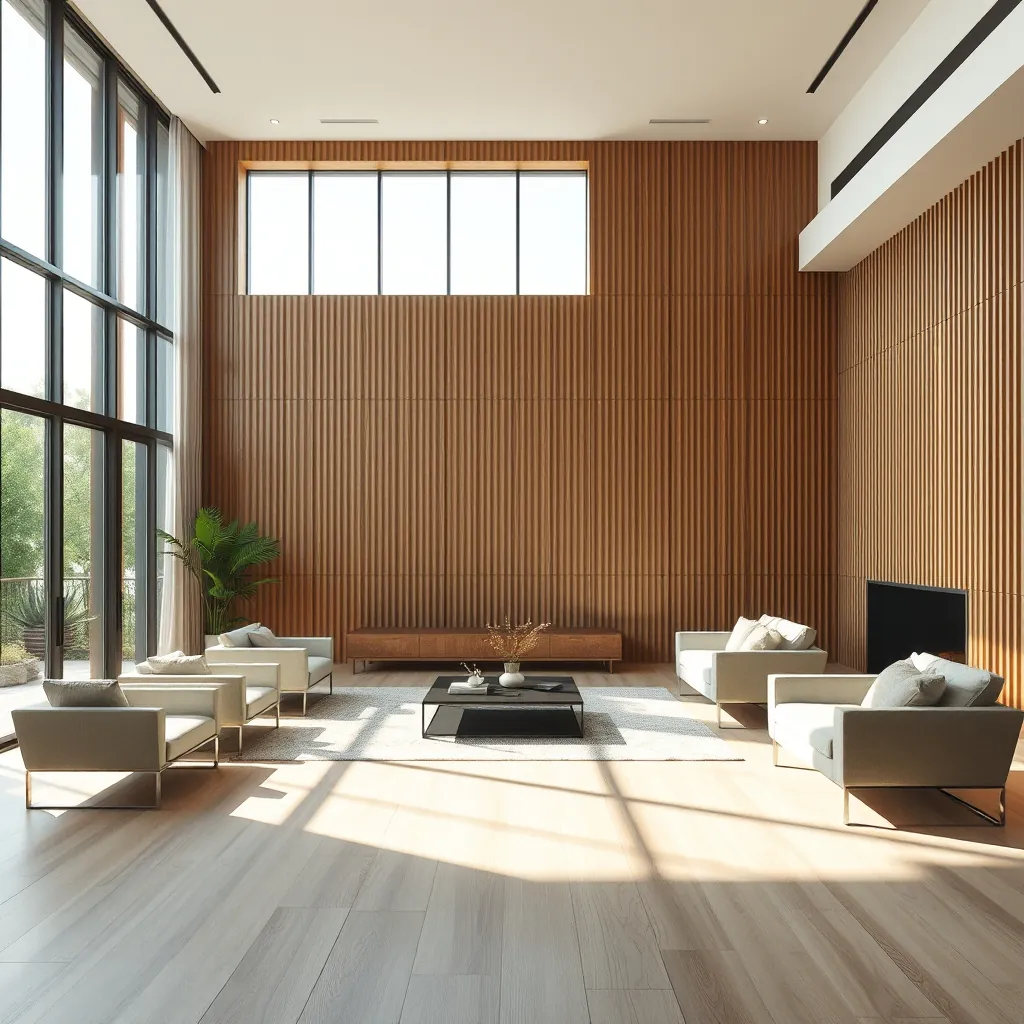
According to industry sources, the strongest growth in 2024 is seen in multifunctional rooms where both style and durability matter. Modern fluted panels are often sourced from sustainable woods or eco-friendly composites, appealing to buyers who care about design and environmental impact. The trend is also gaining a foothold in commercial spaces such as boutique hotels and offices.
Step-by-Step Guide: Using Fluted Panels Indoors
Follow this actionable guide to select, prepare, and install fluted panels interior for maximum effect and practicality.
- Choose the Right Material
- WPC: Best for bathrooms, kitchens, or laundry due to its high moisture resistance. Replicates the warmth of wood with added durability.
- MDF: Ideal for accent walls and spaces where budget and easy painting are priorities. Some MDF panels offer acoustic benefits.
- Natural Wood: Offers authentic grain and a tactile feel—excellent for luxury applications but vulnerable in humid rooms.
- PS (Polystyrene): Lightest, lowest-cost option, mostly for decorative applications or custom shapes where texture matters more than durability.
- Measure & Plan
Sketch your feature wall, island, or vanity. Account for outlets, trim, or curves. Order 10% extra for errors and trimming. - Surface Preparation
Clean and level the wall or surface. For tile or uneven substrates, use a plywood underlayment if needed. Mark the centerline for symmetrical fluted alignment. - Panel Cutting & Finishing
Cut panels to size with a fine-tooth saw. Pre-finish panels before mounting—sanding, painting, or staining—especially PS or MDF types. - Install Panels
Install panels using construction adhesive for smooth walls or finish nails/screws for extra holding power. Press panels firmly and check for alignment. For DIY, start with small accent sections rather than whole rooms. - Detail Work
Fill nail holes with color-matched filler. Caulk gaps where panels meet ceiling, floor, or trim. Sand and touch up finish as needed for a seamless look. - Clean and Maintain
Wipe panels with a damp microfiber cloth. For WPC or PS, avoid abrasive cleaners. Inspect joints and seams yearly for signs of movement or damage.
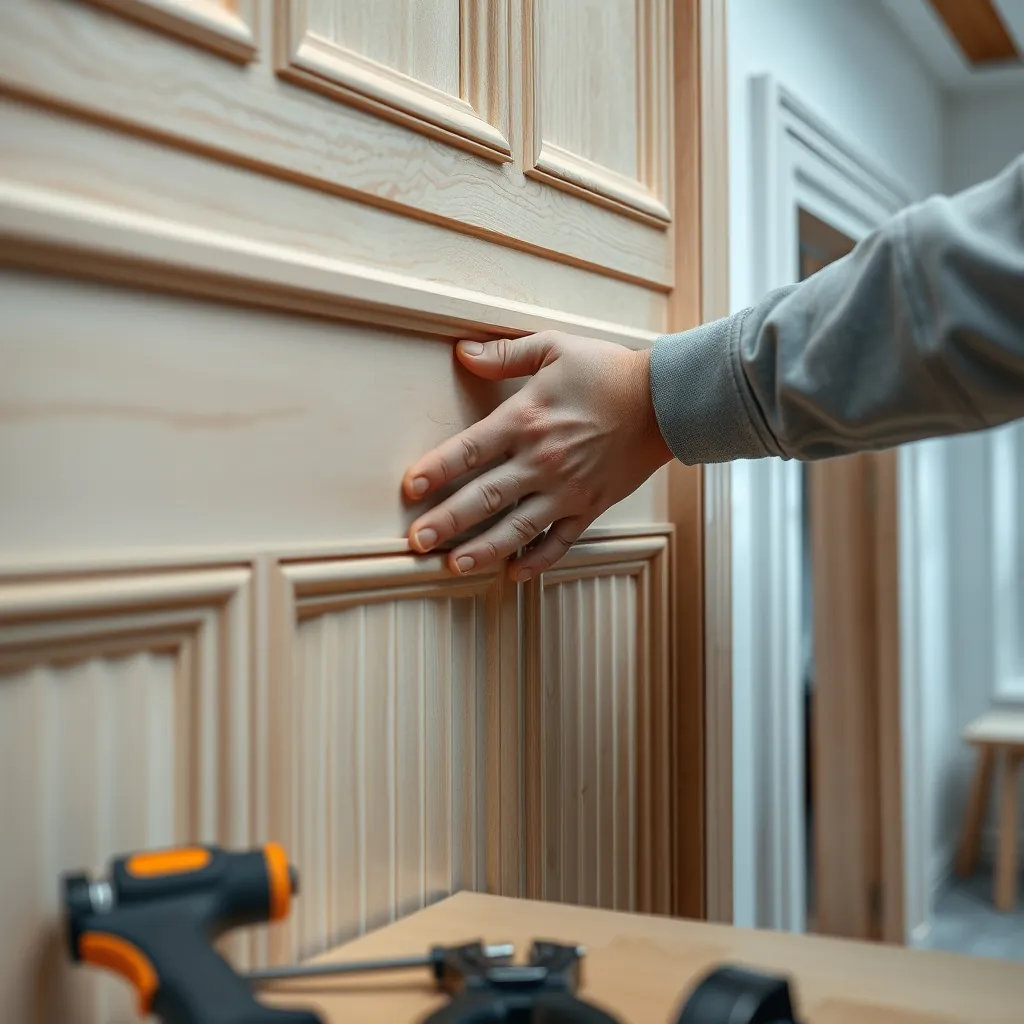
For bathrooms and kitchens, always double-check the moisture rating of your selected panel. WPC and some composite panels are engineered for these spaces, while standard MDF and natural wood can swell or degrade over time. For inspiration and more moisture-proof remodel ideas, see our guide on bathroom safety and upgrades.
If you’re considering a fluted accent wall as part of a living space overhaul, look into layered design strategies—such as pairing fluted panels with shiplap or painted drywall for texture variety. Need smart storage solutions elsewhere in your home? Check out our advice on maximizing garage space or integrating custom cabinetry.
Advanced Analysis & Common Pitfalls
Most fluted panels are marketed as “easy to install,” but real-world issues do arise. Here’s what to realistically expect—and how to sidestep common errors.
- Moisture Trouble: Standard MDF and wood panels are prone to swelling, warping, or mold if used in bathrooms or splash zones. Always confirm panel suitability for wet areas. WPC panels are a safer bet in kitchens or baths.
- Alignment Issues: Fluted grooves highlight any installation misalignment. Use a laser level, start from center, and work outward to avoid visible slants.
- Acoustic and Fire Rating Gaps: Not all panels are acoustic-rated. If you need sound absorption or a certain fire resistance, request manufacturer specs upfront. For home theater rooms or offices, opt for acoustic variants of MDF or composite panels.
- Maintenance Surprises: Inter-groove dust/trapped residue is common, especially with deep flutes. Regular cleaning is mandatory for kitchens and mudrooms.
- Paint and Stain Challenges: PS and WPC panels often have slick, low-porosity surfaces that may require specialty primers or stains for lasting adhesion.
| Panel Type | Best Use | Moisture Resistance | Ease of Install | Cost | Sound Performance |
|---|---|---|---|---|---|
| MDF Fluted Panels | Accent walls, budget installs | Low (avoid wet areas) | Easy (score for DIY) | $-$$ | Good (acoustic variants available) |
| Natural Wood Fluted Slats | Premium décor, bedrooms | Low | Intermediate (precise cuts) | $$$ | Moderate |
| WPC Fluted Panels | Bathrooms, kitchens, mudrooms | High | Easy (click or adhesive) | $$ | Moderate (check specs) |
| PS Fluted Panels | Custom shapes, low-traffic areas | Medium | Very easy | $ | Low |
| Shiplap (for comparison) | Farmhouse, coastal, classic looks | Variable (depends on material) | Easy | $-$$ | Low |
Looking for compact laundry options to combine with your next renovation? Discover proven ideas in our ventless washer dryer guide. Considering clean lines and recovery features in a bathroom remodel? Explore the value of indoor cold plunge tubs as part of your plan for modern wellness.
If you want further professional insight and hands-on reviews about fluted panel product choices, visit our LivingWise Reviews blog for reviews and practical tips.

Conclusion
Fluted panels interior projects have evolved to make a real difference in both modern and traditional homes. With the right material, preparation, and installation, you can transform ordinary walls, islands, or cabinetry into visual focal points that stand up to real use. Consider your space’s demands, pick moisture-resistant options for bathrooms or kitchens, and double-check technical specs before starting. If you do, your fluted panels interior installation will last and impress.
Ready to rethink your walls? Choose your material and challenge yourself with a project—or let a pro handle the finish for a flawless result.
FAQs
Which type of fluted panel is best for kitchens or bathrooms?
WPC (Wood Plastic Composite) fluted panels are the top choice for kitchens and bathrooms due to their high moisture resistance and low maintenance requirements. Always confirm the manufacturer’s moisture resistance ratings before installing in humid spaces.
Can I install fluted panels interior as a DIY project?
Yes, especially with WPC or MDF panels which are often sold as pre-finished or click-together systems. However, for seamless, large areas or complex shapes, hiring a professional may deliver a more refined result.
How do fluted panels compare to shiplap for modern interiors?
Fluted panels add dramatic texture and a modern look with deep grooves, while shiplap provides a more subtle, traditional appearance. Fluted panels often have higher acoustic performance and are available in moisture-resistant options, while shiplap is easier to repaint.
What maintenance do fluted wall panels require?
Regular dusting and occasional cleaning with a damp cloth are essential, especially to prevent buildup in the grooves. In kitchens or bathrooms, avoid harsh chemicals that can degrade finishes over time.
Are there eco-friendly or sustainable fluted panel options?
Yes. Panels made from MDF or particleboard sourced from certified forests, or those using recycled polymers, offer more environmentally friendly choices. Always check for certifications if sustainability is a priority.