
Garage conversion ADU is quickly becoming the most practical solution for homeowners who want to add value, create income, or accommodate family—without the hassle of building from scratch. Converting your garage into a fully functional accessory dwelling unit can be smart, but it’s not simple. Here’s what you really need to know before you start.
Key Takeaways
- Expect national average garage conversion ADU costs to range from $50,000 to $150,000, with regional differences and major cost jumps for detached garages.
- Permits, design, and hidden construction setbacks are often underestimated—know your city’s requirements before you commit.
- High ROI is possible, but beware common pitfalls like slow permits, surprise utility costs, or picking the wrong contractor.
- What Is a Garage Conversion ADU and Why Consider One?
- Garage Conversion ADU: Step-by-Step Guide
- Advanced Analysis and Common Pitfalls
- Conclusion
- Frequently Asked Questions
What Is a Garage Conversion ADU and Why Consider One?
A garage conversion ADU transforms an existing garage—attached or detached—into a livable accessory dwelling unit. This self-contained space must have its own kitchen, bathroom, living/sleeping area, separate entrance, and be up to local code. Homeowners choose this route for its lower cost compared to building new, faster construction timelines, and higher resale or rental value. Garage ADUs serve as private guest suites, in-law units, rental apartments, home offices, or even downsizing options on your own property.
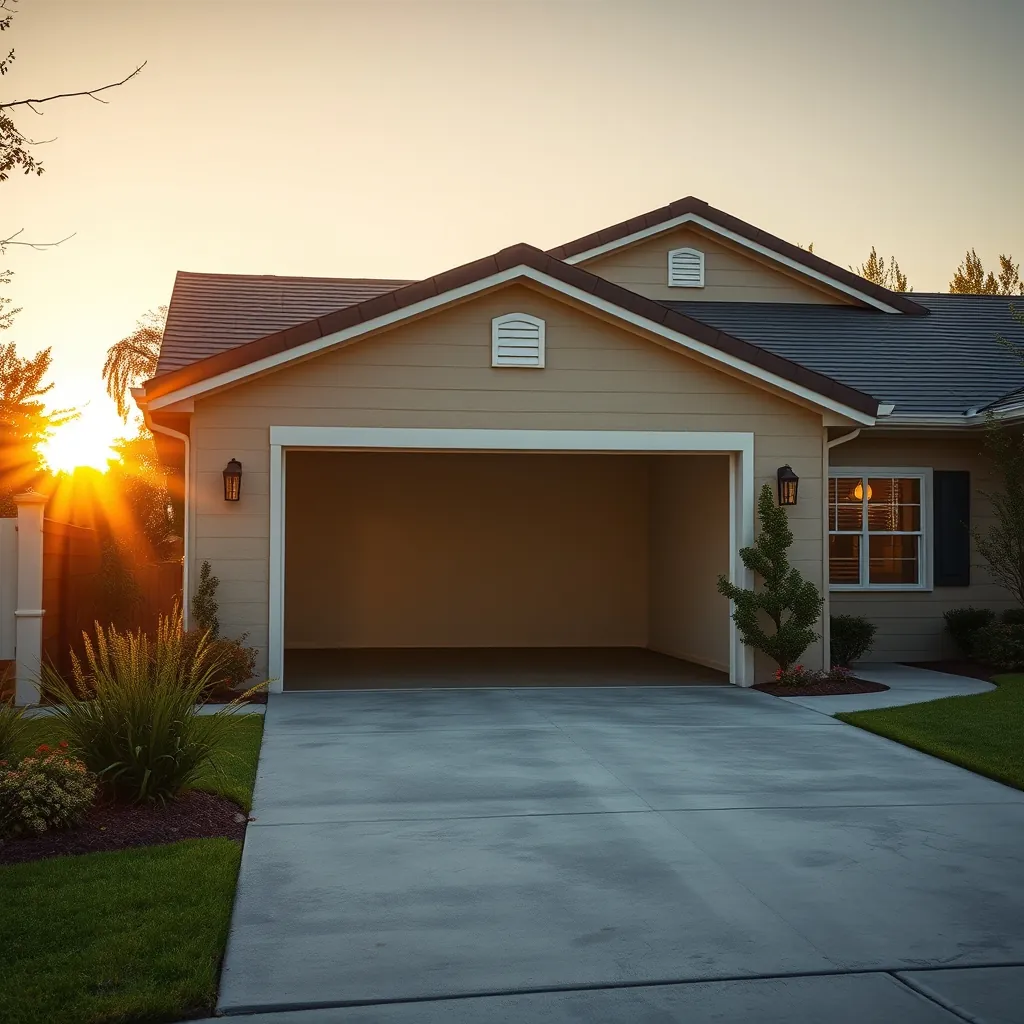
This approach lets you maximize your land’s value while keeping most of your backyard intact. For many regions, local zoning now encourages ADU projects, a response to housing shortages and high rental demand. If you’re weighing your options, a garage conversion ADU is usually much cheaper than adding a new backyard cottage or building up—especially if your garage is already in good shape.
Before deciding, check out creative small space solutions—many smart layouts for ADUs borrow ideas from trending compact home projects.
Garage Conversion ADU: Step-by-Step Guide
Turning your garage into a legal ADU isn’t just hanging drywall and plugging in a fridge. Here’s every step you must plan for:
- Check Local ADU Codes & Permits
Every city and county has its own rules for garage conversion ADUs. Visit your city planning office online or in person. Ask about:- Minimum/maximum size limits (often 400–1,200 sq ft)
- Parking replacement or waivers
- Setbacks and fire codes
- Permit process, timelines & fees (expect $1,200–$2,000+ just for building permits)
If you’re planning a laundry area within your ADU, factor in local utility ordinances.
- Assess Garage Structure
Inspect your garage’s foundation, roof, walls, and drainage. Most garages were not built for housing—problems like cracked slabs, leaky roofs, or out-of-square framing must be tackled upfront. Consider a structural engineer. - Design and Planning
Hire an architect or designer. Expect $5,000 or more; this fee is essential for proper layout, structural modifications, fire safety, and mechanical planning.Think about:
- Natural light and ventilation (many garages lack windows)
- Barrier-free access if aging-in-place or rental flexibility is a goal
- Smart storage and convertible furniture ideas—see LivingWise Reviews for ADU-friendly product picks
💡 Pro Tip: Don’t rush the design phase—skimping here causes headaches later. An extra $1,000 on plans can save $10,000 in change orders and code flubs down the road.🔥 Hacks & Tricks: Combine a murphy bed with a fold-down desk to create an instant office/bedroom hybrid. Stash off-season items overhead on garage rafters converted into storage lofts. - Get All Permits Approved
Submit your plans for reviews. This can take from 3 weeks to 6 months depending on location and backlog—ask your city for typical timelines, since delays can derail your move-in date. - Demolition & Site Prep
Remove the garage door(s)—replace with walls/windows, pour infill concrete if the slab is sloped, and upgrade the structure to meet seismic or weather codes. - Structural & System Upgrades
- Add or move walls according to your new floorplan
- Upgrade insulation (walls and ceiling)
- Re-frame roof if needed
- Run all new electrical, plumbing, and HVAC lines—this is often $10,000–$20,000, or higher if you need to trench new utility lines to a detached garage.
- Interior Finish-Out
Install drywall ($1,000–$3,200), waterproof floors ($1,500–$4,800), and paint. Add kitchen ($100–$300/sq ft) and bathroom ($200–$250/sq ft) with all fixtures up to code.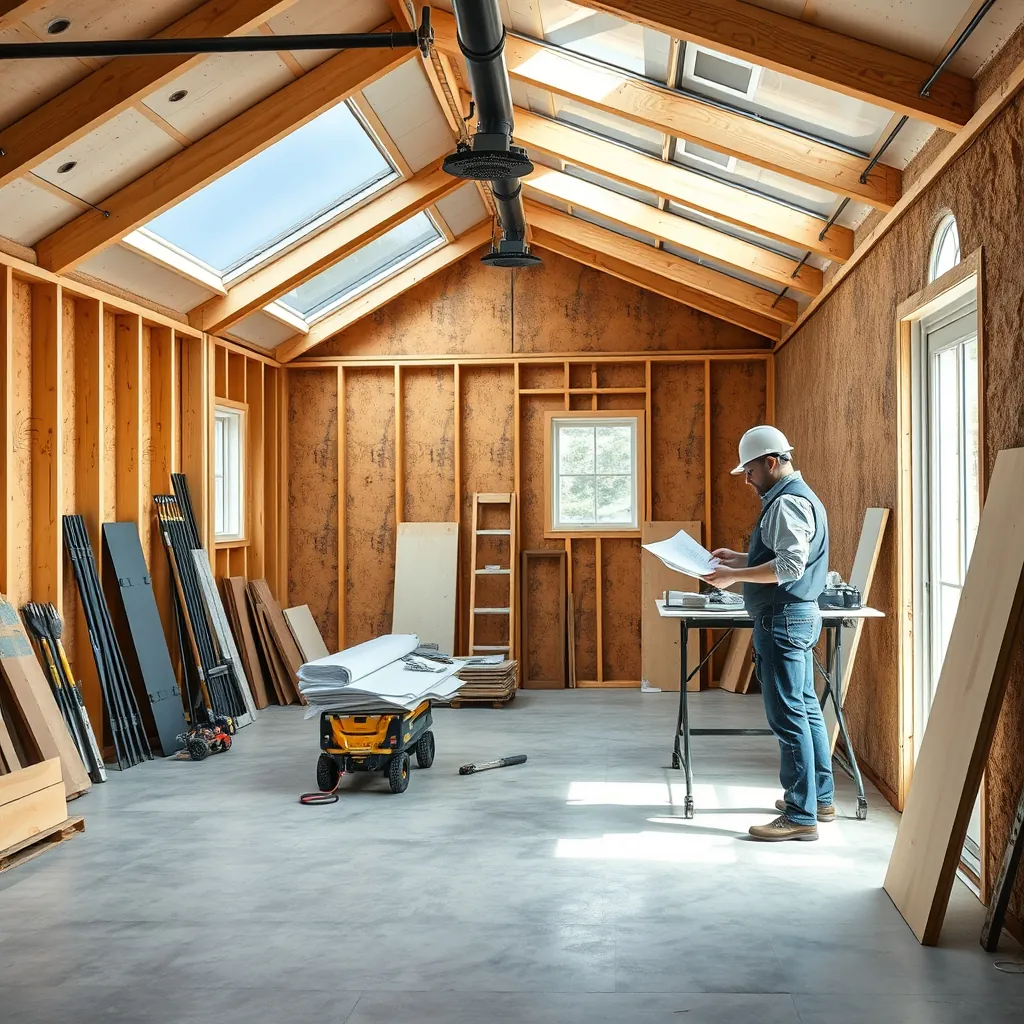
- Final Inspections & Occupancy Permit
Book all required inspections—structure, utilities, energy code—and get your Certificate of Occupancy before renting out or living in the space.
For an example schedule, building a straightforward attached garage ADU (around 400 sq ft) can take 3–6 months from first plan to move-in, but detached units or locations with slow approvals may take longer.
Advanced Analysis and Common Pitfalls
Despite ADU conversion hype, the reality is: most homeowners face setbacks and unexpected expenses. Here’s what the 2024 research shows about costs, where projects go off the rails, and how to avoid expensive mistakes.
| Item | Attached Garage ADU | Detached Garage ADU | Typical Issues |
|---|---|---|---|
| Permits & Planning | $1,200–$2,000 | $1,500–$2,500 | Delays, extra reviews for detached units |
| Utility Upgrades | $10,000–$15,000 | $12,000–$20,000+ | Detached: New lines, trenching costs; budgeting gaps |
| Construction/Framing | $20,000–$35,000 | $25,000–$40,000 | Hidden damage in old framing; garage slabs out of level |
| Bathrooms & Kitchens | $30,000–$60,000 | $30,000–$70,000 | Plumbing for detached garages more complex/expensive |
| Permit Timeline | 2–4 months | 3–6 months | Delays common in cities with high ADU volume |
| Total Cost (national avg.) | $80,000–$130,000 | $100,000–$170,000 | Budget overages + slowdowns = frustration |
Most Common Garage Conversion ADU Pitfalls
- Permit Headaches: Even in ADU-friendly zones, cities may flag old, unpermitted mods on your garage—or require extra reviews for fire separation, especially with detached units.
- Timeline Delays: Permit backlogs, construction surprises (like poor foundations or rot), and weather add months.
- Hidden Costs: Utility upgrades for water, sewer, electric, AC/heat—often double initial estimates for detached garages.
- Contractor or DIY Errors: Skipping a professional designer, or choosing the cheapest bid, frequently results in failed inspections and rework.
- Shortcuts on Accessibility: Most DIY plans skip universal design—limit future use and lower value. Small investments in ramps, wide doors, and no-step showers create ultra-flexible space.
- ROI Overhype: Many blogs claim 70%+ ROI, but real returns depend on local rents, quality, and long-term property values. Always compare estimated rental income to your total project costs and anticipated mortgage or lending terms.
If you want to see more small-space ADU hacks, check out our ventless washer dryer guide—it doubles as a must-read for anyone building out rental or in-law units.
For granular cost details by region, reference:
Angi’s Garage to ADU Cost Report |
RG Pro Builders |
GroundUp Builders Blog
Conclusion
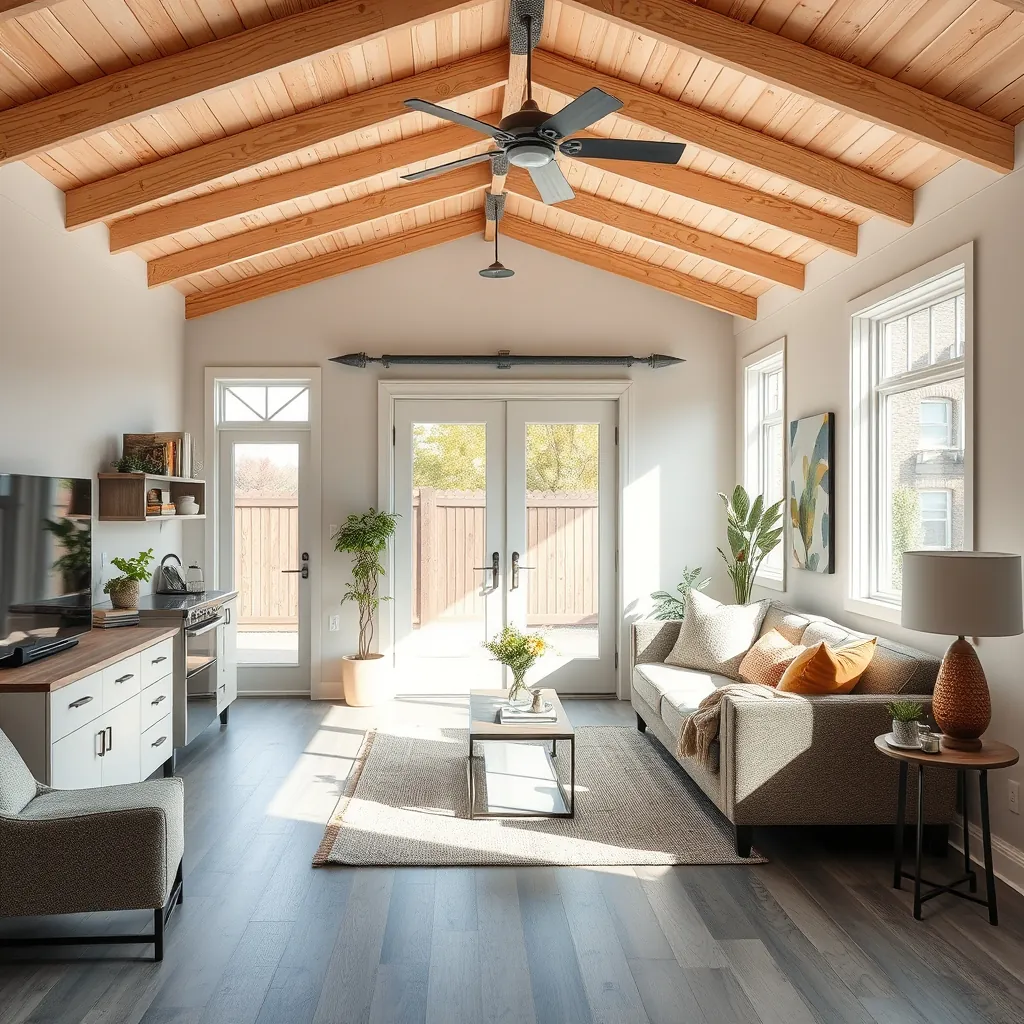
A garage conversion ADU can transform wasted space into high-value housing, rental income, or personal retreat. The process involves serious planning—from meeting permit requirements to handling utility upgrades and realistic cost estimation. Don’t underestimate timeline hurdles or the importance of professional design. If you’ve considered modern in-laws, rental studios, or micro-apartments, adding a garage conversion ADU may be your most flexible and profitable move in 2024.
Ready to take the next step? Explore more examples on LivingWise Reviews or dive into our compact home improvement guides. For questions about the garage conversion ADU process in your area, start with your local planning department before you budget or call contractors.
Frequently Asked Questions
What is the average cost per square foot for a garage conversion ADU in 2024?
Expect $150 to $400 per square foot, depending on your region, garage type (attached or detached), and interior finish level. The national average is approximately $110,000 for a typical garage ADU.
Do detached garage ADUs cost more than attached conversions?
Yes. Detached garages increase costs by 20%–30% due to trenching for new utility connections and often require more code upgrades.
What permits do I need for a garage conversion ADU?
At minimum, you’ll need building, electrical, plumbing, HVAC, and sometimes rental permits. Check your city or county for specific ADU rules—a quick call or web search with your address helps clarify.
How long does it take to complete a garage conversion ADU?
Most attached garage ADUs take 3–6 months from start to finish. Complex or detached projects, or locations with planning backlogs, can take up to a year.
What are the biggest risks or pitfalls with garage ADU conversions?
Underestimating total costs, unexpected repairs, permitting delays, and hiring unqualified contractors are the major risks. Plan for a 10%–20% cost buffer and use experienced ADU designers and builders.