
Focus Keyword: home gym basement conversion
Introduction
Thinking about a home gym basement conversion? This move is one of the smartest ways to use wasted space for workouts—no commute, no gym fees, and total control over your training setup. But before you start painting walls and shopping for dumbbells, there are crucial details you need to know about cost, common mistakes, and what you’ll actually get in return for your investment. This guide cuts through the noise—here’s what’s really involved, and how you can maximize results without falling into avoidable traps.
Key Takeaways
- Converting your basement into a home gym is a top-four ROI remodel, but comes with unique challenges like low ceilings and moisture control.
- Expect to spend $2,000–$5,000 for a quality setup in 2024; unfinished basements or premium gear can push costs much higher.
- Proper waterproofing, flooring, and equipment selection are critical for safety, functionality, and resale value—don’t skip these steps.
Table of Contents
- Introduction
- The Core Concept: Why Convert Your Basement Into a Home Gym?
- Step-by-Step Guide: How to Convert Your Basement Into a Home Gym
- Advanced Analysis & Common Pitfalls
- Conclusion
- FAQ
The Core Concept: Why Convert Your Basement Into a Home Gym?
Turning your basement into a gym unlocks flexible workouts any time of day, maximizes otherwise unused floor space, and can increase your home’s value—if done right. Recent data shows that about 25% of home gyms are now located in basements, with owners gravitating to compact, all-in-one racks and cardio machines that fit even in rooms with low ceilings. The post-pandemic boom in home fitness means planners have more equipment and design options than ever. Plus, finished basement gyms typically rank in the top-four home remodels for return on investment according to remodeling industry reports, especially when converting unfinished areas into functional living space.
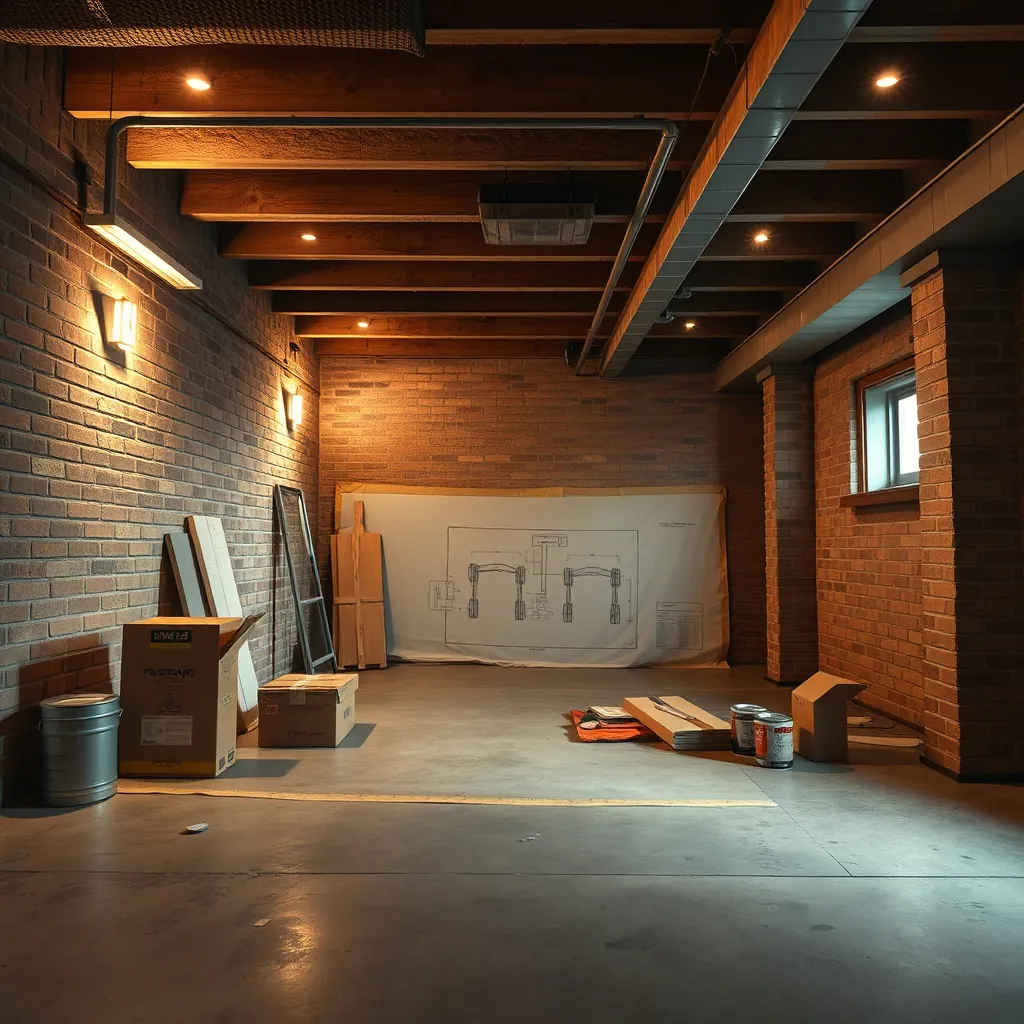
But it’s not as simple as tossing in a treadmill. Basements are notorious for moisture, ventilation, and ceiling height issues, which makes upfront planning essential. Still, when designed well, a basement gym delivers unbeatable privacy and convenience—quiet, out of the way, and always open for your workouts. For detailed costs and trends, see industry statistics from Garage Gym Experiment and PTPioneer.
Step-by-Step Guide: How to Convert Your Basement Into a Home Gym
Ready to build your own basement gym? Here’s a realistic, stepwise approach that covers structural needs, budgeting, renovation, and equipment selection.
- Assess the Space and Fix Structural Issues
- Check for persistent moisture or water leaks. Waterproofing is the single most important upgrade—get professional help if needed.
- Insulate walls and floors to control temperature and increase comfort.
- Ensure at least 7 feet of unobstructed ceiling height for most exercises. If you have less, plan equipment purchases accordingly.
- Plan Your Layout and Budget
- Map out zones for cardio, strength, stretching, or specialty equipment. Leave clear walkways and protected space around racks.
- Typical 2024 costs: $2,000–$5,000 for a solid basement gym; $1,000 ultra-budget; $10,000+ for pro setups with premium machines and flooring.
- Allocate $300–$600 for quality rubber flooring—essential for noise and drop protection.
- Address Lighting, Electricity, and Ventilation
- Add LED lighting or daylight-simulating fixtures for an energizing, safe space.
- Consider surge-protected outlets and GFCI circuits for machine safety.
- Portable dehumidifiers and fans promote good air flow if you lack central HVAC.
- For advanced soundproofing, check out the ideas in this home soundproofing guide.
- Flooring and Sound Barriers
- Install interlocking rubber tiles or rolls. These protect flooring, equipment, and joints. They also add a professional look and are easy to maintain.
- For those worried about noise, specialized acoustic mats are an upgrade—get more noise reduction ideas here.
- Choose Equipment Strategically
- Start with the essentials: adjustable dumbbells, kettlebells, resistance bands ($500–$1,000).
- Space-saving racks or wall-mounted pull-up bars ($400–$1,200), plus a bench ($100–$500).
- Cardio gear: rower, treadmill, or bike ($500–$2,000) if room and budget allow.
- Average total spent on home gym gear in 2024 is about $2,837.
- Add Finishing Touches
- Mirrors, storage racks, speakers or streaming screens improve training experience. Keep decor simple and functional for resale flexibility.

For more ideas on maximizing space, take a look at our guide to ventless laundry solutions for basements and small areas.
Advanced Analysis & Common Pitfalls
Basement gym conversions offer big advantages but come with specific challenges that many homeowners overlook. Here’s what research and real users say:
- Moisture Problems: Basements are prone to leaks and dampness. Skipping waterproofing or dehumidification puts you at risk for mold and ruined equipment. According to one 2024 project case, failing to prep for water led to delays and extra costs.
- Ceiling Height Limits: Standard basements often fall short of the 8–9 feet needed for full-height power racks, overhead presses, or jump training. Many manufacturers now offer “short” racks, but this limits certain lifts and accessories.
- Ventilation and HVAC: Gyms generate sweat, heat, and airborne particles. Lack of airflow can turn your dream gym into a mildew-prone, stuffy workout dungeon.
- Surprise Costs: A “$2,000” DIY gym often balloons if you overlook prepping unfinished space. Even a “simple” conversion can become a $30,000+ project if you add high-end machines, pro install, or finish every detail.
- No Technical Sound/Light Standards: Despite the focus on noise, very few sources offer precise STC (sound transmission class) or lighting recommendations. Practical experience rules—rubber flooring works, but may not be fully soundproof if you live above.
- Equipment Outgrows Room: As your fitness level increases, you may outgrow your initial setup. Plan for future upgrades or modular, multi-use machines to save space and money.
| Aspect | Basement Gym | Garage Gym |
|---|---|---|
| Space | Usually unfinished; private and tucked away. Low ceilings restrict overhead training. High-ROI with finishing. | Large, open area. More headroom for lifts or equipment. Sometimes shared with storage/cars. |
| Accessibility | Typically requires waterproofing and insulation. Below-grade can be less accessible. | Ground level. Easy entry/exit for carrying equipment but may need climate control upgrades. |
| Long-Term Value | High ROI if finished professionally. Adds to appraised living space. | Garage door upgrades can improve curb appeal and resale. May affect parking or home insurance. |
For inspiration on maximizing ROI and home value when remodeling, see our garage to ADU conversion guide. For sound management tips specific to finished basements, see our soundproofing solutions guide.
Conclusion
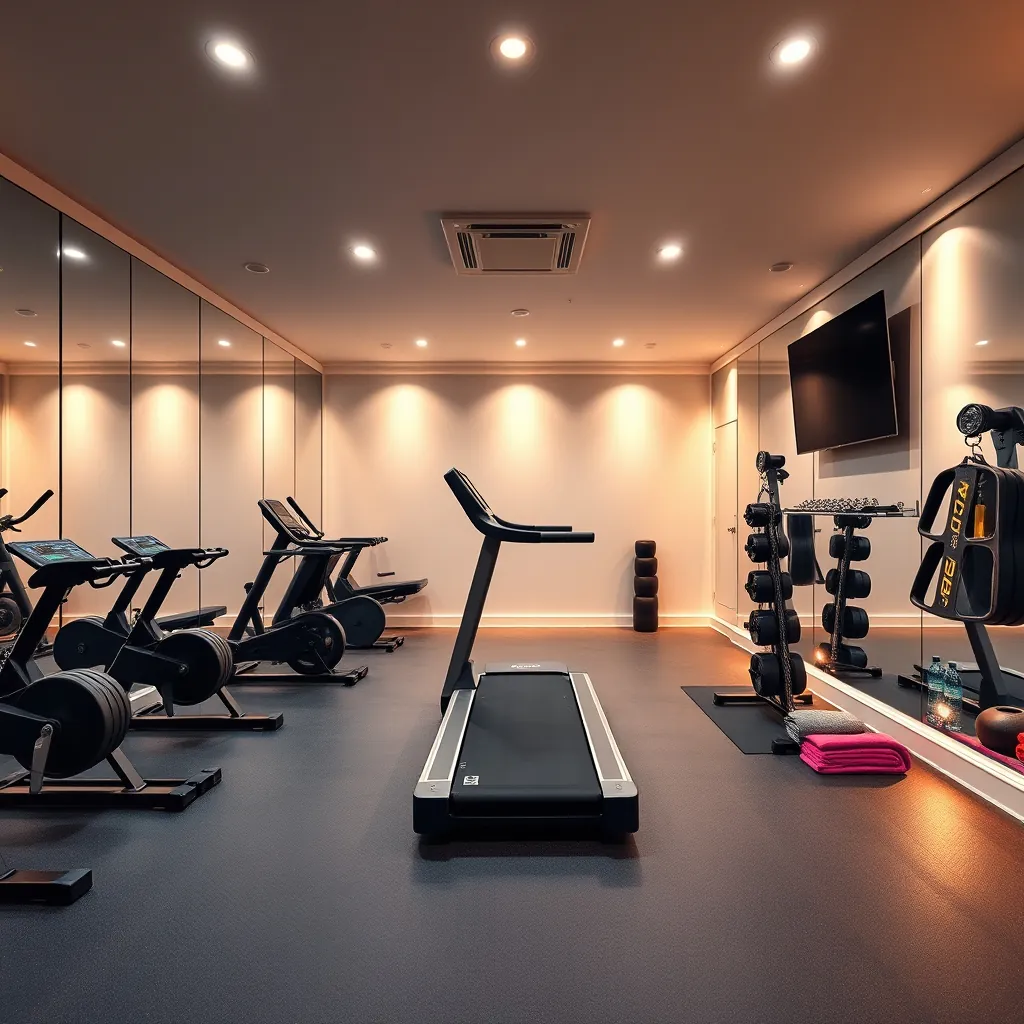
With smart planning, the right equipment, and proper preparation, a home gym basement conversion can pay off for years—offering privacy, luxury, and improved home value. Just don’t cut corners on moisture, ventilation, or layout. Ready to turn your basement into a fitness haven? Get started today and share your progress for a chance to be featured!
FAQ
How much does a home gym basement conversion cost in 2024?
A quality basement gym typically costs $2,000–$5,000 for equipment and materials. Finishing an unfinished basement, adding premium machines, or hiring contractors can push your total significantly higher.
Is rubber flooring necessary for a basement gym?
Yes. Rubber flooring protects the floor, dampens noise, and helps keep weights from slipping or damaging surfaces. It also boosts visual appeal and can make your gym feel professional.
What are the main issues people face with basement gyms?
The most common issues are moisture and mold, low ceilings that limit exercise choices, and inadequate ventilation. Addressing these up front avoids costly repairs and ensures a comfortable workout space.
Do home gym basement conversions really increase home value?
They can, especially if you finish an unused space and install quality materials. Basement gyms are among the highest interior ROI remodels, but resale value depends on market trends and professional presentation.
How do I soundproof my basement gym?
Use interlocking rubber tiles for basic sound dampening. For more, consider heavy-duty gym mats, wall insulation, and sealing any gaps in doors or windows. For step-by-step methods, check out our home soundproofing guide.