
Home office soundproofing is no longer optional if you want to work efficiently from home. With more people working remotely since 2020, household noise, neighbor conversations, and traffic can destroy your focus. In this guide, we break down actionable home office soundproofing solutions, including what actually works, cost-effective hacks, and honest pitfalls many guides ignore.
Key Takeaways
- Home office soundproofing is essential for cutting distractions and improving productivity, especially in shared or busy households.
- Layering simple DIY fixes, like sealing gaps and using acoustic panels, provides significant noise reduction for most remote workers.
- Don’t overlook technical differences—material choice, realistic installation, and hidden costs often limit how quiet your office gets.
Table of Contents
Understanding Home Office Soundproofing
Home office soundproofing means reducing unwanted noise from infiltrating your workspace so you can focus, attend calls, and get deep work done. Unlike traditional offices, home settings have unique sound sources—kids, appliances, pets, and even plumbing. A 2020 study found remote workers spend about 59% of their week focused and uninterrupted, but home distractions are not measured as closely as office disruptions, which affect up to 99% of in-office employees according to research.
Soundproofing involves a mix of blocking, absorbing, and deadening noise using materials like acoustic panels, door seals, mass loaded vinyl, and sometimes even furniture. The right approach depends on your room’s construction, key noise sources, and how much reduction you need. Getting this right saves hundreds of dollars and hours of frustration.
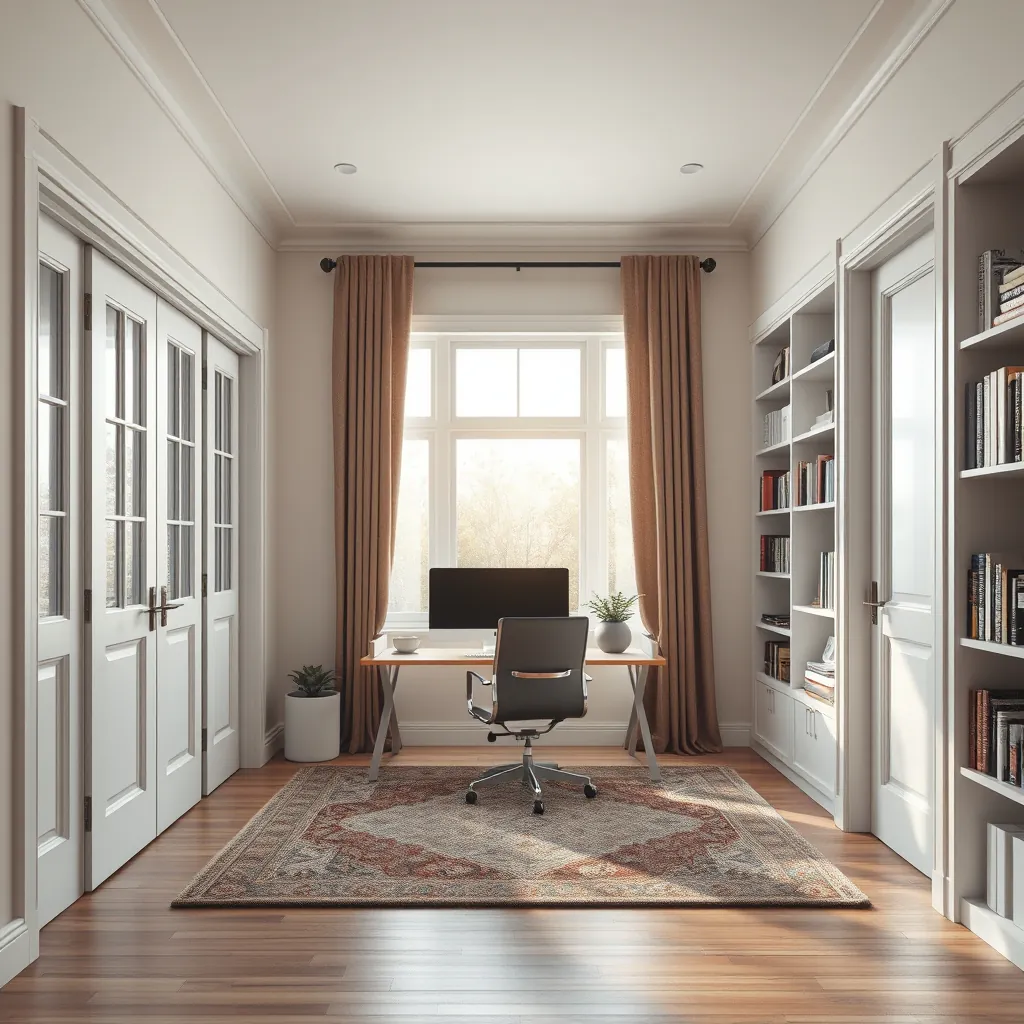
Step-by-Step Guide: Create a Quieter Workspace
Here’s how to soundproof your home office efficiently, without burning your budget. Tackle these in order for maximum impact:
1. Identify Your Main Noise Sources
Is the noise coming from outside (traffic, neighbors) or inside (family, appliances)? Identify gaps, weak spots, and test loud times to focus your effort.
2. Seal Gaps Around Doors and Windows
Gaps are the biggest noise leak. Install weatherstripping around doors and caulk window frames. Use a door sweep or acoustic threshold on your main door.
3. Add Mass for Blocking (Walls, Doors, Floors)
For thin walls, add mass loaded vinyl or extra drywall. Replace hollow-core doors with solid ones. If sound comes through floors, a dense rug or rubber underlay helps.
4. Absorb Sound With Acoustic Panels and Soft Furnishings
Acoustic foam panels or mineral wool panels mounted on walls help absorb echoes and airborne noise. Bookshelves with books, thick curtains, and even a couch can pull double-duty as sound absorbers.
5. Install Door Seals and Window Plugs
Install perimeter seals around your door and consider a window plug (removable panel of rigid foam wrapped in fabric). These block the last bits of noise most people forget.
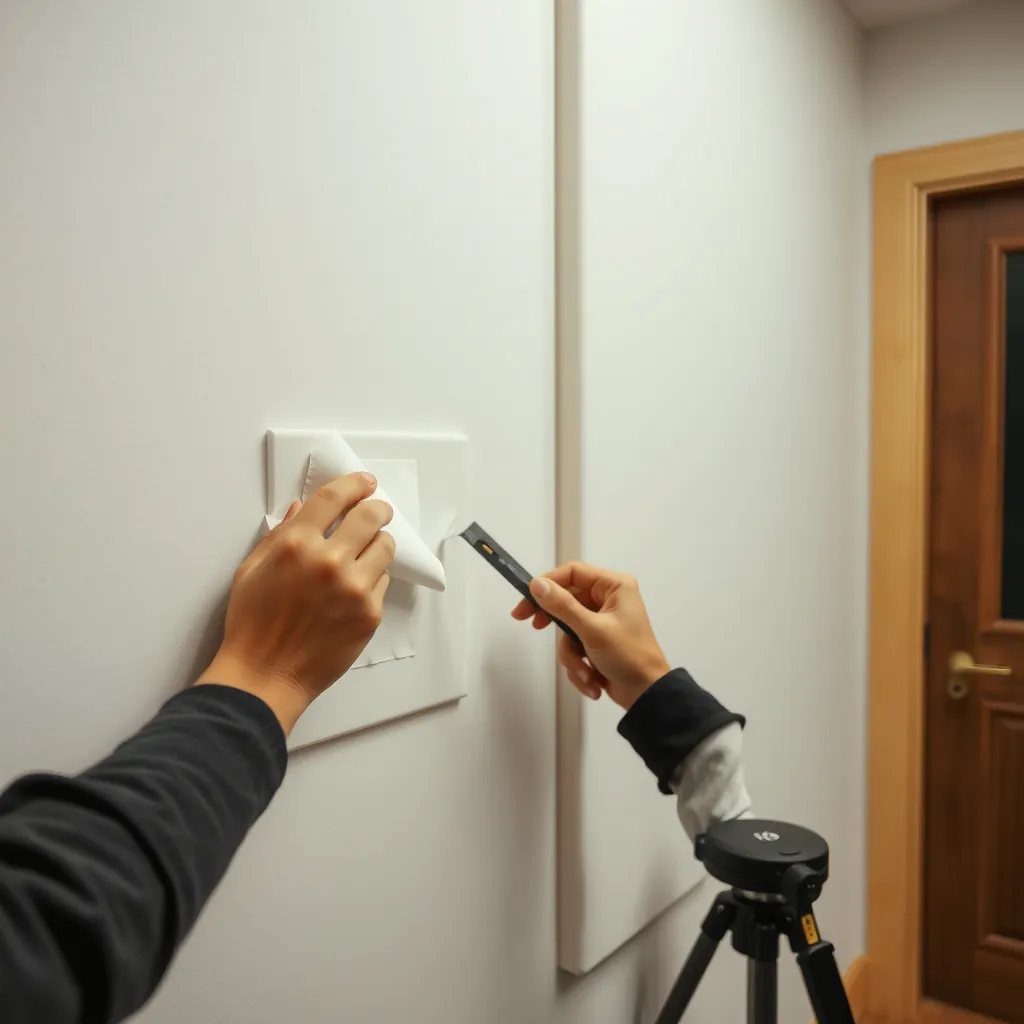
6. Address Plumbing and Vent Noise
If sound comes from pipes or vents, consider flexible duct silencers and pipe insulation. Read more on this topic in our LivingWise Reviews feature, which includes tips on maximizing quiet in your HVAC system.
7. Test With and Without Furniture
Sometimes, simply rearranging your office—moving your desk away from shared walls and bringing in bookshelves—makes a big difference. Don’t be afraid to experiment.
8. Combine With Other Home Upgrades
If you’re planning projects like energy efficient window replacement or a garage conversion ADU, tackle soundproofing at the same time. You’ll save on labor and get better results.
9. Professional Options for Persistent Noise
If you’re still not getting results or need near-total silence (e.g., for podcasts or music production), consult an acoustic professional or review our Home Soundproofing Solutions: 7 Amazing Ways to Reduce Noise guide for advanced steps and product reviews.
Advanced Analysis & Common Pitfalls
Soundproofing a home office isn’t always smooth. Many homeowners hit these roadblocks:
Key Pitfalls Remote Workers Face
- Unrealistic Expectations: No low-cost solution will make your office “recording studio” quiet. Expect improvement, not perfection.
- Confusing Acoustic Panels With Soundproofing: Acoustic foam absorbs echo inside the room, but barely blocks outside noise. For true soundproofing, you need to add dense mass like mineral wool or mass loaded vinyl.
- Forgetting Door and Window Leaks: Even the thickest walls are useless if your door leaks sound—this is the #1 overlooked step in DIY upgrades.
- Not Accounting for Structure-Borne Noise: Bass frequencies travel through floors and structure, so lightweight fixes don’t help if your problem is heavy footsteps or street rumbles.
- Neglecting Cost Planning: While DIY options can be affordable ($200–$600 for basic fixes), high-end material costs can exceed $2,000. Cheap foam tiles might give you less than 10dB reduction while mass loaded vinyl plus added drywall can provide 20–30dB reduction, but dramatically raise your budget.
| Material | Typical Cost per Sq Ft | Noise Reduction (dB) | Best For | Downsides |
|---|---|---|---|---|
| Acoustic Foam | $2–$5 | 5–10 dB (mainly echo) | Reducing echo, improving audio within room | Won’t block outside noise |
| Mineral Wool Panels | $3–$6 | 10–15 dB | Absorbing both echo & some airborne noise | Heavier, needs framing, can irritate skin |
| Mass Loaded Vinyl | $4–$10 | 20–35 dB (with drywall) | Blocking intrusive outdoor or neighbor noise | Harder to install, expensive |
| Weatherstripping & Door Seals | $0.50–$2 | Up to 5 dB | Blocking drafts and small gaps | Minimal on its own |
Additionally, be aware that some solutions have hidden costs (installation, custom cutting, shipping on heavy items). Innovations for 2024 include digital or smart noise-masking devices, but they work best as supplements—not replacements—for physical soundproofing. You can learn more about full-room solutions and installation side effects in the Home Gym Basement Conversion and Fluted Panels Interior Guide.
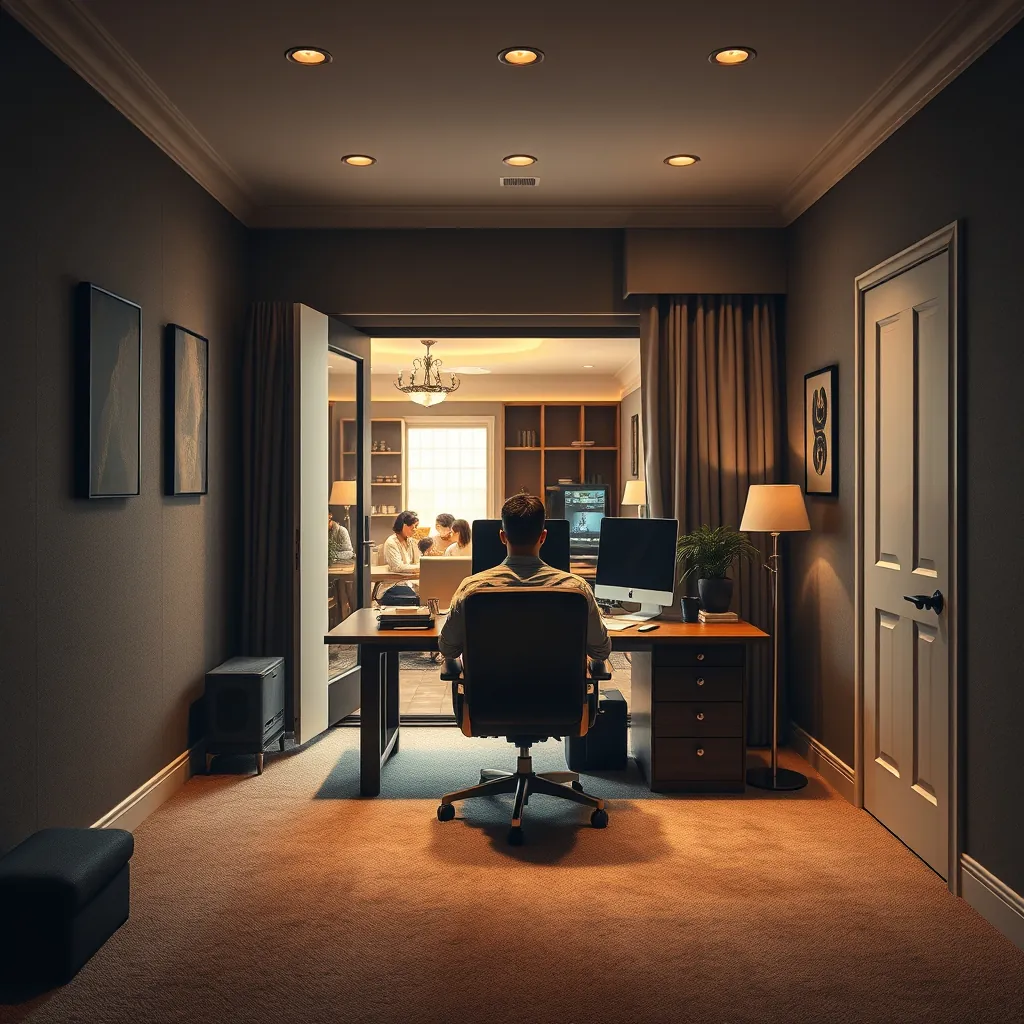
Conclusion
Soundproofing a home office is a blend of common sense, material science, and strategic upgrades. The tips above cover the most effective ways to reduce distractions and create a productive workspace. Whether you start with door sweeps or invest in mass loaded vinyl, the payoff is fewer interruptions and better focus.
Ready to tackle your home office soundproofing project? Review our step-by-step soundproofing guide and take the first step to a quieter, more productive home work environment today!
FAQ
How much does home office soundproofing cost?
Basic DIY projects like weatherstripping and foam panels can cost $100–$300. More intensive upgrades using mineral wool, mass loaded vinyl, and new doors can run $600–$2,000, especially if you hire a pro.
Do I need to soundproof the entire room?
No, you can usually target the loudest wall or the main door for most of the results. Full room soundproofing is only necessary for extremely noisy environments or professional recording needs.
What’s the best material for blocking outside noise?
Dense materials like mass loaded vinyl, double drywall, and mineral wool panels block the most sound. Foam panels mainly absorb echoes and are less effective at blocking external noise.
Can I soundproof a home office if I rent?
Yes. Use removable window plugs, thick rugs, draft stoppers, and portable acoustic panels. Avoid permanent changes, but most landlords allow non-damaging upgrades like door sweeps or hanging heavy curtains.
Does soundproofing also help with temperature control?
Yes, especially if you use dense curtains or add mass to doors and windows. You’ll notice less draft and improved HVAC efficiency. For advanced home upgrades, see our energy efficient window guide.