Outdoor kitchen ideas on a budget are more achievable in 2024 than you might think, even if today’s costs seem intimidating. Here’s a no-nonsense breakdown and actionable advice for planning your own backyard kitchen—without overspending or getting blindsided by unexpected expenses.
Key Takeaways
- Outdoor kitchen kits start under $4,000, but true budget builds require hands-on DIY, clever material choices, and cost-cutting on utilities and enclosures.
- Beware hidden costs: permits, labor if not DIY, and appliances can double your predicted spend.
- Genuine sub-$3,000 builds are rare; streamline by focusing on essential appliances and using repurposed or simple materials.
Table of Contents
Understanding Outdoor Kitchen Ideas on a Budget
What does a budget outdoor kitchen really mean, and is it possible to get more than just a grill and a folding table without breaking the bank? In 2024, the answer is “yes”—if you go in with clear priorities and realistic expectations. The average prefab kit will cost $4,000 to $10,000 (source), and even a basic “mini” with a built-in grill and small counter starts around $2,000. Once you add features, appliances, and enclosures, prices rise—but with smart choices (simpler materials, fewer built-ins, DIY labor), you can enjoy a high-functioning outdoor kitchen for less.
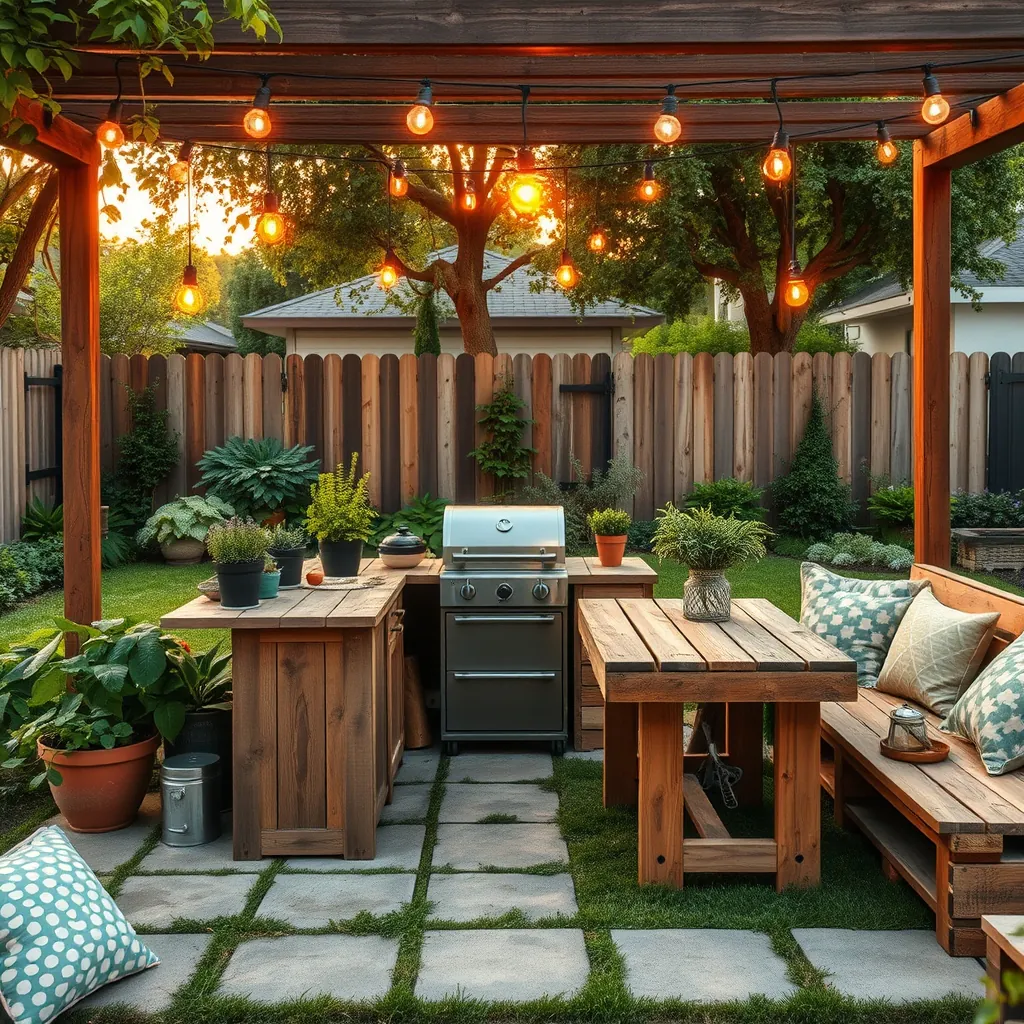
Why aim for an outdoor kitchen on a budget? Outdoor kitchens boost entertaining space, home value, and your daily living. But a bloated project can easily run into five figures with little true ROI. Keeping things lean makes it accessible—whether you’re passionate about grilling, need more space for guests, or just want a daily alfresco coffee station. All it takes is clarity about what you really need (and what’s just a nice-to-have).
Step-by-Step Guide: Building an Outdoor Kitchen on a Budget
Step 1: Set Real Expectations and Budget
First, decide what “budget” means for your project. Prefab kits start at $2,000–$4,000; most real DIY builds with multiple features hover closer to $5,000, unless you aggressively simplify.
Step 2: Choose Your Core Layout and Appliances
Save by limiting to one must-have feature: a built-in grill (or even a standalone quality grill), a basic countertop, and open shelf storage. Skip built-in fridges or sinks unless you already have outdoor plumbing.
Step 3: Plan Utility Access (or Avoid It)
Plumbing and electrical can double your project cost. If possible, design your space for grill-only (charcoal or propane). Extension cords for occasional use are much cheaper (and safer) than permanent wiring, but always use exterior-rated equipment.
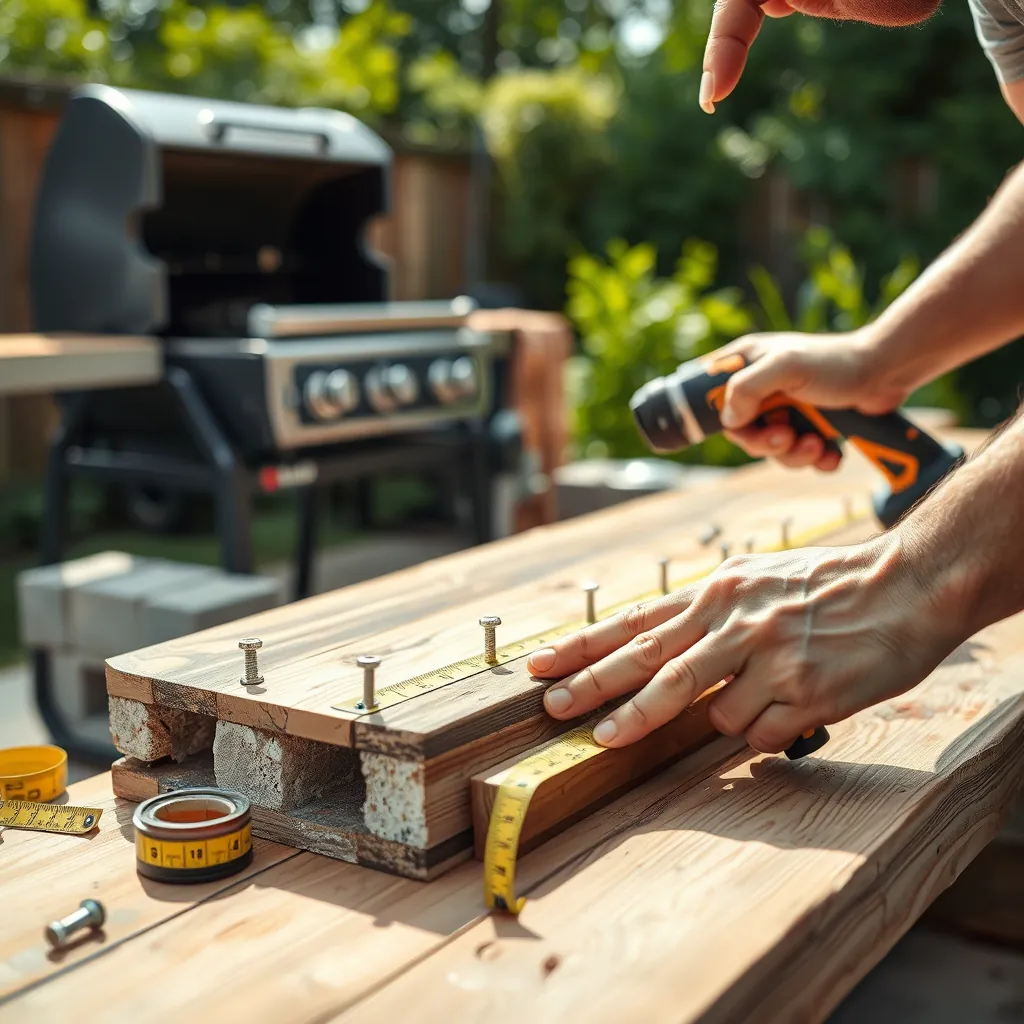
Step 4: Choose Budget Countertop Materials
Avoid granite or quartz. Concrete or large outdoor tiles are the best value and can look sharp painted, sealed, or even left raw. Maintenance? Just reseal every couple of years.
Step 5: DIY Construction vs. Kit
Kits save labor but inflate material costs. True DIY (even using free online plans) lets you save 30–50% in labor, and you can phase upgrades over time instead of all at once. See how this “do-it-yourself, little by little” philosophy works for other home upgrades in our Garage Conversion ADU Guide and Ventless Washer Dryer Guide.
Step 6: Focus on Weather Protection and Comfort
A simple shade structure (DIY pergola, shade sail, or even a used market umbrella) is usually more cost-effective than a full enclosure, yet lets you enjoy your space longer each season. Permits or local codes may apply for larger structures—always check first.
Step 7: Smart Finishing Touches
Add value inexpensively: LED string lights, an outdoor rug, thrifted stools, or inexpensive storage tubs. Snap pictures of each phase for inspiration—and resale value, if ever needed.
Advanced Analysis & Common Pitfalls
Even with the best plans, budget outdoor kitchens come with common traps. Costs can escalate if you “just add one more feature” or overlook hidden expenses. Here’s what the research and real projects reveal:
| Budget Item | DIY Custom (Avg. Cost) | Prefab Kit (Avg. Cost) | Hidden Pitfalls |
|---|---|---|---|
| Base Frame & Counter | $500–$2,000 | $2,000–$4,500 | Missed waterproofing, poor stability |
| Grill & Appliances | $300–$2,000 | $1,500–$7,000 | Wrong fuel type, outdoors-rated appliances only |
| Utilities (optional) | $0–$3,000 | $0–$3,000 | Permit costs, regional price swings |
| Shade/Pergola | $200–$2,500 | N/A (not included in most kits) | DIY safety, possible municipal rules |
- Labor Adds Up: Even if you DIY, projects take longer than expected. Kits reduce labor but raise costs, potentially overrunning your initial budget. (HomeAdvisor)
- Permits & Codes: Many homeowners forget these—especially with attached pergolas or electrical work—which can add $500–$2,000+ and weeks of delays.
- Material Sourcing: Price spikes or shortages may force you into costlier options if you buy at the wrong time. Be flexible: shop surplus, check local classifieds, or plan ahead.
- Utility Complexity: Plumbing and electric are easy ways for costs to spiral. Unless you’re adding a true outdoor fridge or sink, wait until those are must-haves instead of “maybe someday.”
- Scope Creep: “Let’s do a gas firepit too!”—check yourself before you fall into upgrade-itis. Want to see more realistic project management? Our Garage Conversion ADU Guide covers how simple projects grow in cost and complexity.
For even more practical project cost insight, especially concerning durable and low-maintenance options, see our fluted panels interior guide for design hacks that carry through from indoor to outdoor spaces.
Conclusion
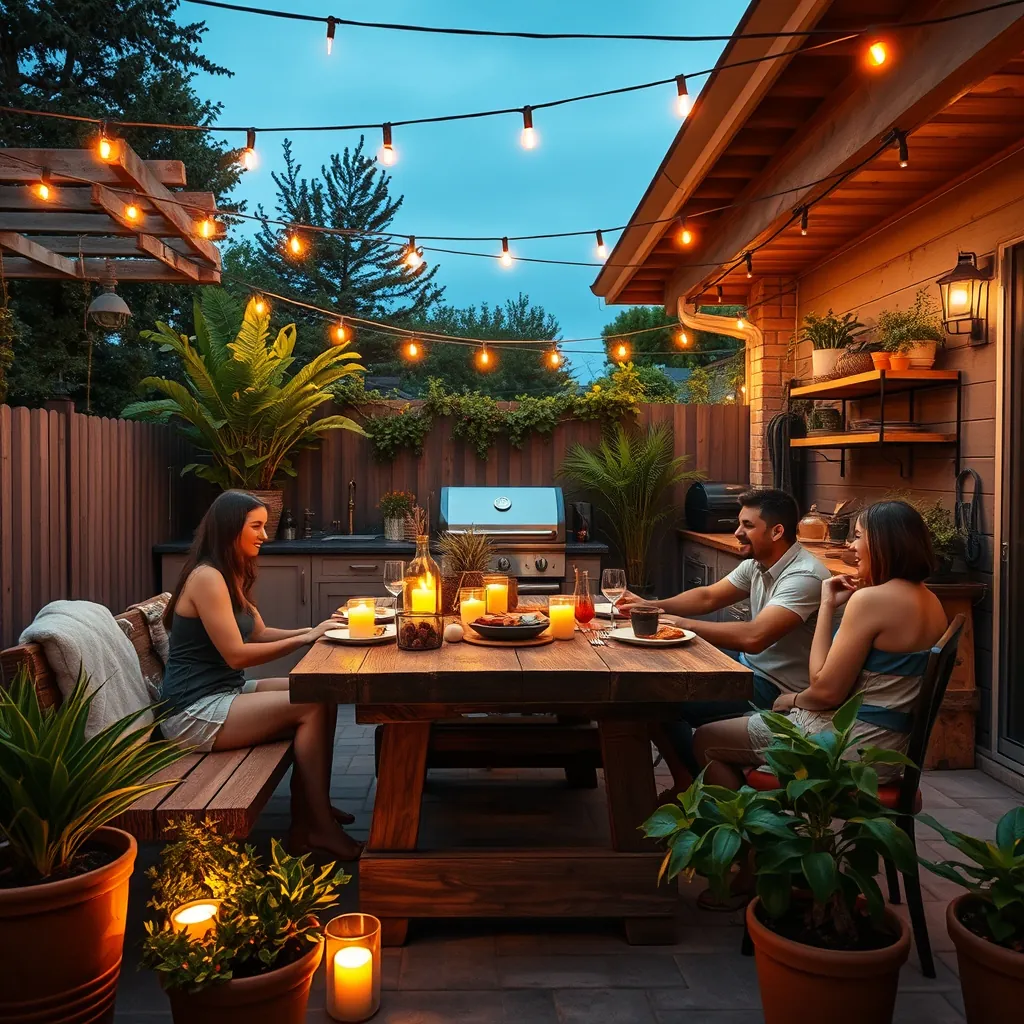
Building your perfect backyard oasis is possible—even if you stick to outdoor kitchen ideas on a budget. Keep the project lean, plan for hidden costs, and don’t overcomplicate the design. With these steps, you’ll get a functional, durable space that fits your lifestyle and won’t break the bank. Want more practical home improvement and budget hacks? Check out our LivingWise Reviews and other home upgrade guides here. Start small, stay realistic, and enjoy your new favorite at-home destination.
FAQ
How much should I realistically budget for a small DIY outdoor kitchen?
For a basic grill station and counter setup, allow $2,000–$4,000 if you do most of the labor. Prefab kits with more features run $4,500 or more. True sub-$3,000 builds will need cost-saving strategies, including using reclaimed materials and keeping the design simple. See detailed cost breakdowns here.
What features should I skip to save money?
Skip built-in refrigeration, plumbing, specialty appliances (like pizza ovens), and expensive countertop materials. Focus on just a grill, prep space, and open shelving for the most cost-effective build.
Are DIY outdoor kitchen builds really durable?
Yes, as long as you use weather-resistant materials (like concrete blocks and pressure-treated lumber) and seal all wood or porous surfaces. Avoid indoor cabinets or untreated wood, which will deteriorate quickly outside.
Do I need permits for a simple outdoor kitchen?
Usually, small portable or open-air setups do not require permits, but fixed electrical, plumbing, or major shade structures (pergolas) often do. Check your local codes before you build to avoid costly fines or forced removal.
Where can I find more ideas for efficient small outdoor spaces?
Explore guides like our Ventless Washer Dryer solutions or Home Soundproofing DIY guide for more compact, budget-friendly home upgrades.
—