
Aging in place bathroom remodel projects are now essential as more families and homeowners aim to make bathrooms safe and accessible for seniors. With senior fall injury rates alarmingly high, every design decision matters for long-term comfort, safety, and independence.
Key Takeaways
- Senior bathroom falls account for over 80% of all in-home falls, making safety remodels a priority.
- Strategic upgrades like walk-in tubs, curbless showers, and non-slip surfaces significantly reduce fall risk and hospitalizations.
- While universally recommended, features like grab bars or non-slip flooring rarely cause post-remodel issues when installed properly.
Table of Contents
The Core Concept
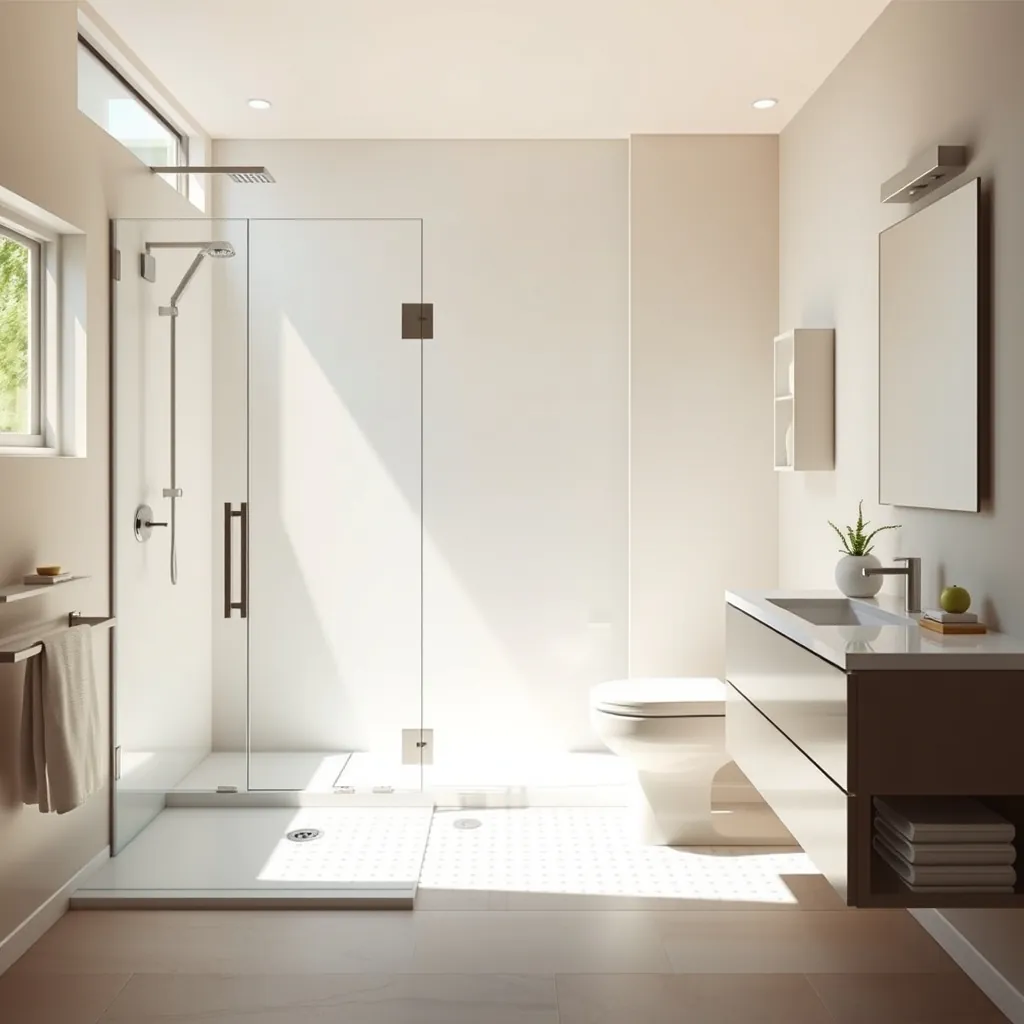
Aging in place bathroom remodels focus on making bathrooms safer and easier to use for older adults. The main goal is to lower fall risk—the leading cause of senior injuries—by modifying slippery floors, high bathtub walls, and cramped layouts. Most falls among seniors—up to 80%—occur in the bathroom due to these hazards, according to recent 2024 injury data. Upgrades like walk-in tubs, roll-in showers, non-slip flooring, and grab bars help seniors stay independent and reduce emergency hospital visits. Preventing just one fall saves nearly $19,000 in hospitalization costs on average, multiplying the long-term value of remodel investments. These modifications are also pivotal in universal design principles—which benefit people of all ages and mobility levels.
Step-by-Step Guide
- Assess Current Risks: Walk through the bathroom and note points of friction, like slippery surfaces, tight spaces, high tub walls, and lack of support. Track any history of slips or near-falls.
- Prioritize Upgrades: Identify the highest-impact changes. Start with non-slip flooring, then focus on grab bars near the toilet, shower, and tub. Consider either a walk-in tub or a curbless shower for easier bathing access. Need more detail? See universal design ideas in our Garage Conversion ADU guide for maximizing home safety.
- Select the Right Fixtures: Choose ADA-style grab bars. Opt for slip-resistant tiles or mats. Pick toilets at comfort height for easier transfers. Balance between function and aesthetics.
- Hire Qualified Installers: Use professionals for complex remodels, especially when altering plumbing or working with heavy fixtures.
- Test Everything: After installation, physically test each feature for sturdiness and ease of use. Involve all household members to uncover hidden pain points.
- Maintain & Reevaluate: Clean non-slip floors, tighten grab bars annually, and adapt as needs change over time.
- For more ways to optimize small spaces, our ventless washer dryer guide shows how modern laundry tech improves convenience and safety for aging households.
- Considering a cold plunge tub for recovery? Learn aging-friendly installation tips in our indoor cold plunge setup guide.
Advanced Analysis & Common Pitfalls
Despite the clear benefits of remodeling for aging in place, homeowners can encounter challenges if the process isn’t well planned. Here are the most common pitfalls and how to avoid them.
- Overlooking Hidden Hazards: Focusing only on major upgrades while missing minor risks like slick corners or unreachable shelves.
- Improper Installation: Grab bars that are not anchored to studs can pull out, and poorly installed non-slip tiles may lead to tripping.
- Layout Mismatch: Installing features in awkward locations—for example, placing the grab bar too far from the shower entry—can decrease usability.
- Accessibility Tradeoffs: Walk-in tubs require entering and then waiting for water to drain before exiting, which may not suit everyone. roll-in showers are great for wheelchairs but may need upgraded drainage.
- Neglecting Maintenance: Mold or mildew can build up on non-slip mats or textured tiles if not cleaned regularly. Grab bars should be periodically re-tightened.
| Feature | Walk-in Tub | Roll-in Shower |
|---|---|---|
| Entry Height | Typically 2-6 inches | Zero or minimal threshold |
| Mobility Aid Friendly | No (wheelchair transfer required) | Yes (wheel-in direct) |
| Safety Features | Non-slip, seat, grab bars | Non-slip, bench, grab bars |
| Maintenance | Requires regular cleaning & sealing | Easier cleaning (fewer parts) |
| Best For | Limited mobility—but able to step over lip | Wheelchair users, severe mobility limitations |
If you are considering a DIY route, check out our personalized reviews of smart home solutions at LivingWise Reviews for more ideas on senior-friendly improvements.
In communities where early intervention can save big, note that US fall-related hospital visits now top $101 billion in costs, highlighting how each bathroom remodel makes an impact.
Conclusion
Making safe, smart choices in an aging in place bathroom remodel can prevent falls, lower hospital costs, and allow seniors to maintain independence. For best results, use certified installers, choose easy-to-clean and non-slip materials, and stay proactive with ongoing maintenance. As more families focus on accessibility, aging in place bathroom remodel projects continue to deliver value and peace of mind. Start planning today and ensure your loved ones can safely age at home—and don’t forget, simple changes make a big difference.
Ready to unlock more home upgrades? Explore money-saving smart tech guides or compare efficient HVAC upgrades for a safer, more comfortable home.
FAQ Section
What is the most common cause of bathroom falls among seniors?
Slipping on wet bathroom floors is the top cause, especially around tubs and showers. High tub walls and lack of grab bars also increase the odds of losing balance, according to 2024 statistics.
Are grab bars difficult to install in home bathrooms?
Proper installation is simple for professionals but DIYers risk insecure mounting. For best safety, hire an installer who can anchor bars directly into wall studs, not just tile or drywall, for max stability.
Which is safer: a walk-in tub or roll-in shower?
Both options cut down fall risks. Walk-in tubs are easier for users who can manage a small step, while roll-in showers are better for those using wheelchairs or needing total barrier-free access. Choose based on the user’s needs and ability.
What regular maintenance should I do after remodeling?
Clean non-slip surfaces and mats to prevent mold, check that grab bars remain tight, and look for water pooling or leaks around new fixtures each month.
How much does an aging in place bathroom remodel cost in 2024?
No definitive national averages were found in 2024. Costs vary by region, fixture type, and installer, but hospitalizations from falls now average nearly $19,000—making even modest remodel investments worthwhile.