
Heat pump installation cost is one of the biggest questions homeowners face when considering an HVAC upgrade in 2024. Should you invest in a heat pump, stick with a gas furnace, or try something in between? This guide gives you real, up-to-date pricing—including rebates—so you can make a smart decision for your home and climate.
Key Takeaways
- Average heat pump installation cost in 2024 ranges from $5,400 (small minisplit) to $29,000 (large multi-zone), with most homes spending $15,000 to $25,000 before incentives.
- Federal heat pump tax credits expire after 2025; most 2026 and beyond savings depend on state or utility rebates—savings potential is $3,000 to $8,000 in many locations.
- Mini-split vs. central air-source heat pump—and the best HVAC for your house—depend on ductwork, climate, and your heating/cooling needs.
Table of Contents
Understanding Heat Pump Installation Cost
The cost of a new heat pump depends most on your home’s size, local climate, whether you have existing ductwork, and the efficiency level you choose. Compared to a traditional gas furnace, heat pump installation generally costs more up front but can provide major energy savings and comfort boosts—especially if you switch from electric resistance or oil heat.
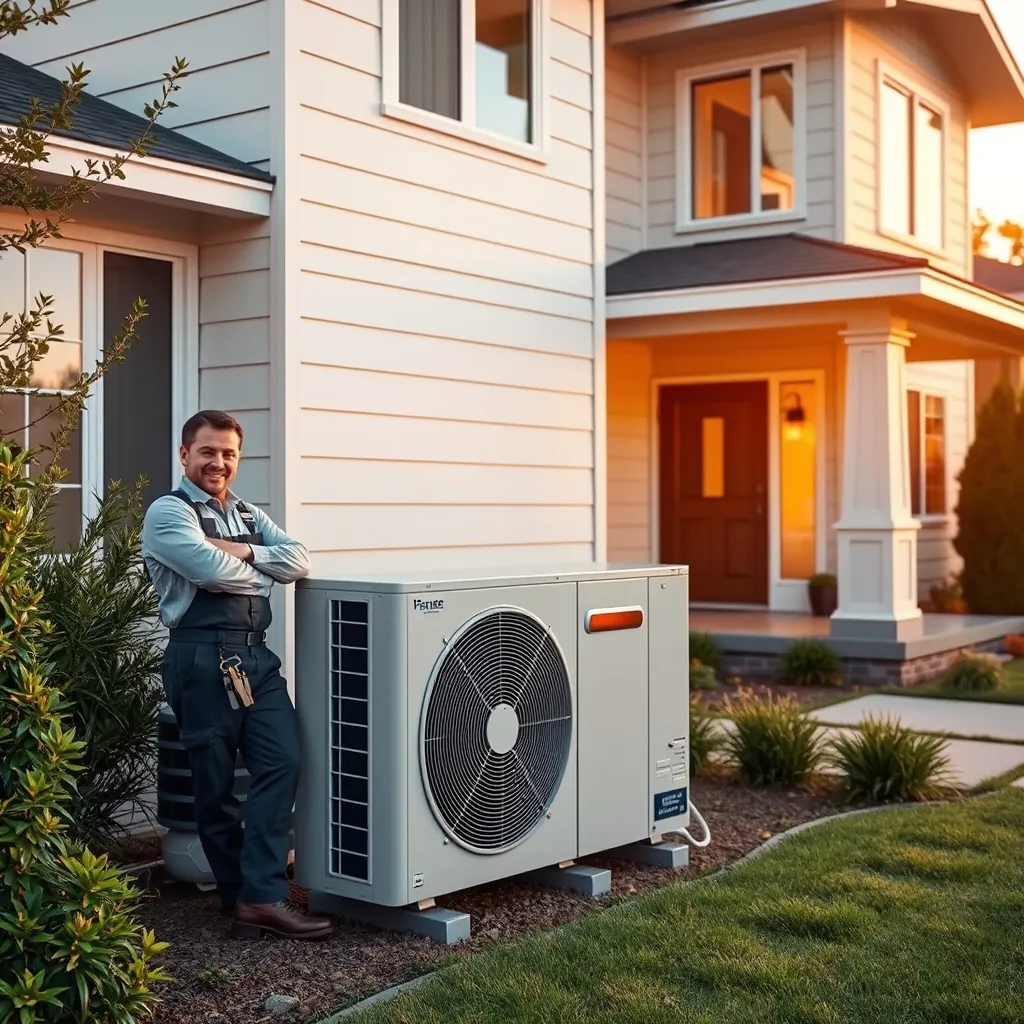
According to recent data, average heat pump installation costs in 2024-2026 are:
- Small homes (<1,000 sq ft): $5,400–$8,500
- Average homes (1,500–2,500 sq ft): $17,000–$23,000
- Large homes (>2,500 sq ft): $22,500–$29,000
- National average: $15,400 – $25,000
A 2,000 sq ft home typically needs a 3-5 ton system, which costs $8,000–$16,000—or over $20,000 for top-efficiency models (source). That’s a big range and doesn’t include rebates yet.
If you’re worried about comfort, maintenance, or switching from natural gas, you’re not alone. These concerns—plus unfamiliar technology—are why some homeowners hesitate to move from a gas furnace to a heat pump. But, energy costs, incentives, and climate are all rapidly changing this calculation. If you want a side-by-side look at related appliances, check out our ventless washer dryer guide for energy savings comparisons.
Step-by-Step Guide: Calculating & Reducing Your Heat Pump Costs
Heat pump installation is never one-size-fits-all. Here’s how to estimate your project and maximize your savings.
- Know your home size and layout.
- Get an exact square footage of heated/cooled space.
- Check if you have working ductwork—central heat pumps need ducts, mini-splits do not.
- Assess insulation and air sealing for potential upgrades—it makes a big difference in load and cost.
- Choose between ducted and ductless systems.
- Mini-splits: Great for homes or additions without ducts, cost $1,500–$5,000 (single-zone), $3,890–$21,200 (multi-zone).
- Central air-source: For whole-home (existing ducts), $8,000–$15,000 installed.
- Unsure? Learn which is ideal for your setup in our garage conversion ADU guide (great for unique layouts).
- Understand climate impacts.
- In cold regions, only install ENERGY STAR or cold-climate certified units; prices can be 20–50% higher but performance is reliable even below freezing.
- In the mild South/Southwest, basic systems save money up front. Northeast/upper Midwest pay more but may qualify for bigger local rebates (full national data here).
- Factor in rebates and tax credits:
- Inflation Reduction Act 30% federal credit ends after 2025. For 2026+, check state and utility programs.
- Example savings: CO up to $5,600, MA $4,700, CA $1,700, national average $3,000–$8,000.
- Compare 10-year ownership cost vs. gas.
- Data is limited, but average gas furnace installation is $3,000–$7,000 (unverified; operation depends heavily on gas and electricity rates in your area).
- Heat pumps often offer lower utility costs and require less maintenance than older gas furnaces, especially in moderate climates.
- No major studies yet compare total ownership in detail. If you want the full story including long-term reliability, see what’s missing in competitor guides below.
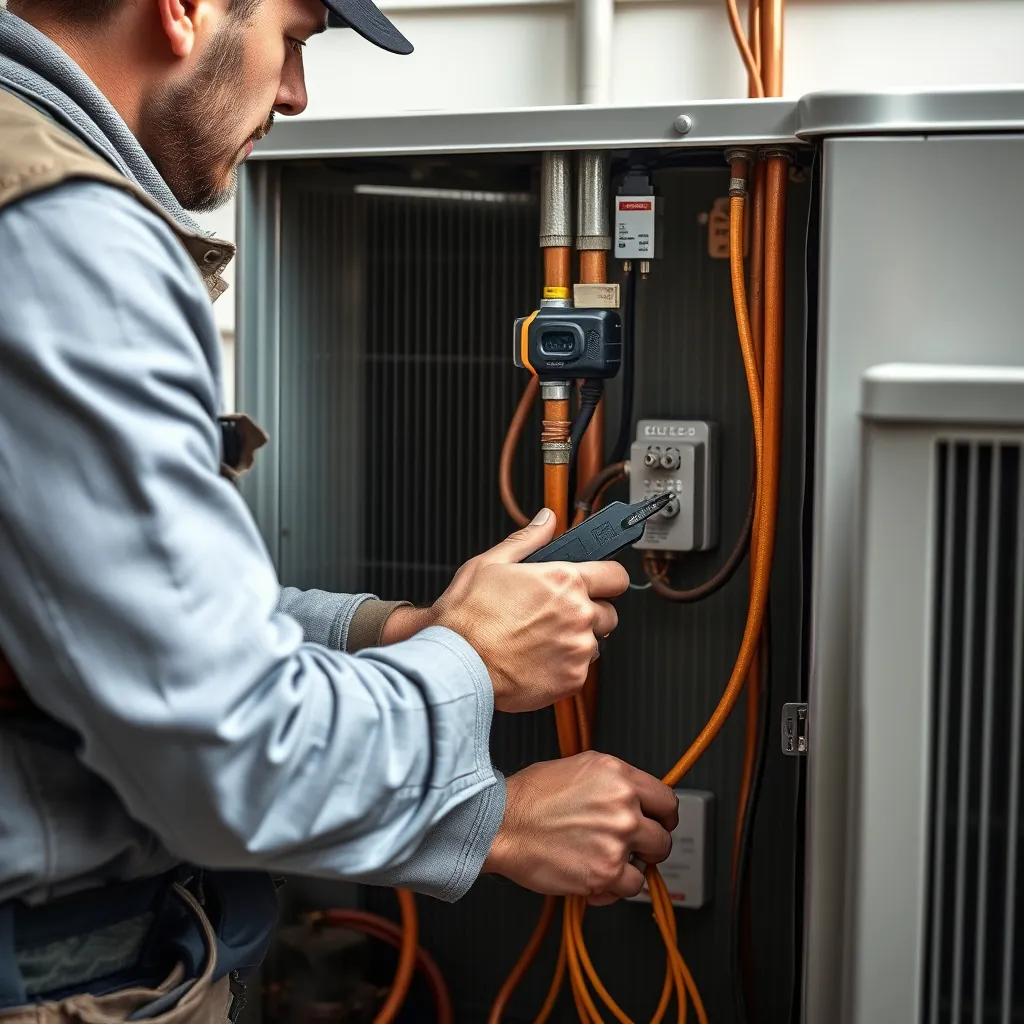
Finally, always ask your installer to help with rebate paperwork. The process is time-consuming, but skipping this step can cost you thousands.
Related tip: If you’re considering upgraded laundry or EV charging, use the same rebate search approach as detailed in our home EV charger installation guide.
Advanced Analysis & Common Pitfalls
Installing a heat pump can bring comfort and energy efficiency, but it’s not always a perfect experience. Here’s what you need to watch for—backed by real homeowner and industry reports.
Installation and Efficiency Pitfalls
- Cost Overruns: Final cost can easily exceed initial bids—get specifics (equipment, ductwork, electrical upgrades).
- Climate Mismatch: Non-cold-climate models often underperform (less heat, more expensive backup power) below 20°F.
- Rebate Complexity: Federal credits expire at the end of 2025; most new incentives are state-by-state for 2026. Paperwork is manual and slow in many regions.
- Comfort Surprises: Homeowners sometimes notice cooler air temps at registers, especially if switching from a high-powered gas furnace. Properly sized, high-quality systems minimize this.
- Lack of Real-World Data: There’s a shortage of transparent, independent user experiences on comfort and long-term operating cost.
Mini-Split vs. Central Heat Pump Comparison Table
| System Type | Equipment Cost | Installed Cost | Best For |
|---|---|---|---|
| Mini-split (single-zone) | $1,000–$3,500 | $1,500–$5,000 | No ducts, single rooms |
| Central air-source | $2,000–$5,500 | $8,000–$15,000 | Whole home with ducts |
| Ductless mini-split (multi) | $1,380–$14,225 | $3,890–$21,200 | Flexible zoning |
What’s Missing in Most Heat Pump Cost Guides?
- Few sources publish true 10-year ownership costs (install, maintenance, utility use) vs. gas or resistance heating.
- There are almost no published real-world reports of pain points, reliability, or comfort issues after switching.
- No in-depth, climate-specific performance breakdowns—even for cold climates, where performance anxiety is highest.
Looking to avoid buyer’s remorse? See our LivingWise Reviews for rigorous appliance comparisons. For whole-home HVAC in cold areas, prioritize contractors with track records installing cold-climate models, not just generic heat pumps.

Conclusion
Now you know the real heat pump installation cost in 2024, how incentives and rebates can dramatically lower your bill, and the practical pros and cons. There is no universal answer—each home, location, and system has its own sweet spot. If you want more control, explore mini-splits for zoning, or central air-source heat pumps for whole-home comfort. If you’re ready to compare estimates, start with our DIY checklists and don’t forget to account for incentives and potential comfort differences compared to a gas furnace.
If this guide helped you clarify your heat pump installation cost, share it, ask questions below, or connect with local pros for a reliable quote today.
FAQ
How much does heat pump installation really cost in 2024?
For a typical U.S. home, expect total installed cost between $15,000 and $25,000 before rebates. Small systems (mini-splits or apartments) may run $5,000–$8,000. Larger multi-zone or whole-home systems can exceed $25,000.
Are there still federal tax credits for heat pumps in 2026?
No, the 30% federal tax credit expires for installations after 2025. Savings after that depend on your state and local utility programs; typical savings range from $3,000–$8,000 if you qualify.
Is a mini-split cheaper than a central heat pump?
Yes, if you only need one or two zones. Single-zone minisplits cost $1,500–$5,000 installed, while a central system for a whole home usually costs $8,000–$15,000. Multi-zone minisplits for larger spaces can get pricey and may approach the cost of a central system.
Will a heat pump work in a cold climate?
Yes, but only with cold-climate or variable-speed models. Expect higher upfront costs, but reliable comfort even below freezing. Standard heat pumps may struggle in very cold weather, so choose your unit carefully.
What’s the biggest mistake homeowners make with heat pump upgrades?
DIY sizing or buying the cheapest unit without considering climate or ductwork can lead to poor comfort, high bills, or a need to replace the system early. Always consult multiple local experts, and verify rebate eligibility before signing a contract.
—