
Home soundproofing solutions are now essential for anyone dealing with busy streets, noisy neighbors, or just craving real privacy at home. Whether you want to block out traffic, shield a home office, or sleep better, getting the right mix of DIY and pro materials matters more than ever in 2024.
Key Takeaways
- DIY home soundproofing solutions can make a noticeable difference for under $1,000 if you focus on sealing doors and windows.
- Not all soundproofing products block noise—some (like acoustic foam) only absorb echoes or reduce frequencies inside the room.
- Renter-friendly hacks exist for walls and floors, but most top guides leave out actionable, cheap strategies for apartments.
- What is Home Soundproofing & Why It Matters
- Step-by-Step DIY Home Soundproofing Solutions
- Advanced Analysis & Common Pitfalls
- Conclusion
- Frequently Asked Questions
What is Home Soundproofing & Why It Matters
Home soundproofing is all about reducing unwanted noise coming in—or escaping—through your walls, windows, doors, and even the floors or ceiling. The goal is to block or absorb annoying sounds so you get true peace, focus, and privacy every day.
Unlike decorative acoustic upgrades, actual soundproofing involves thick barriers, airtight seals, or special dense materials. Most homes let in sound through doors, windows, and even small cracks. Fixing these weak spots is much more affordable than building a new wall—and can deliver up to 70% less outside noise for under $1,000 if you pick the right projects.

Step-by-Step DIY Home Soundproofing Solutions
Ready to start? Here’s how you can soundproof a typical room for real-world results—without breaking your budget or losing your security deposit.
-
Upgrade Doors for Maximum Impact
- Replace hollow-core interior doors with a solid core door (about $150–$250). The weight alone blocks much more sound in bedrooms, offices, or between living spaces.
- Add a perimeter weatherstrip kit ($10–$40) and an under-door U-shaped door sweep or threshold seal ($7–$80) to tightly block air (and noise) leaks. This is usually the biggest upgrade per dollar.
- Door sweep demo and tips: YouTube walkthrough.
-
Seal Windows—The Smart Way
- If you own your home, consider acrylic window inserts ($400–$600 each) for a 70% cut in mid and high-frequency noise. Best for street-facing rooms.
- For renters or smaller budgets, use sticky weatherstripping ($10–$20) or hang thick blackout curtains. Partial improvements but zero hassle.
- More details: Budget-friendly window fixes.
-
Block Cracks and Leaks with Acoustic Sealant
- Run acoustic caulk ($7–$20/tube) around window and door trim, baseboards, and visible wall cracks. Even tiny gaps can leak big noise, especially in older homes.
- Acoustic caulk stays flexible for years, far outperforming ordinary silicone or latex in stopping sound leaks.
-
Add Mass Loaded Vinyl for DIY Versatility
- Mass loaded vinyl (MLV) is a dense, flexible sheet that blocks airborne noise transmission. It’s affordable for small jobs, easy to trim, and renter-friendly if hung with removable hooks.
- Best uses: Layer on doors, along window frames, or behind removable wall hangings where sound sneaks in. Peel-and-stick versions make it even easier—see options like Quiet Barrier® LD at SoundproofCow.
-
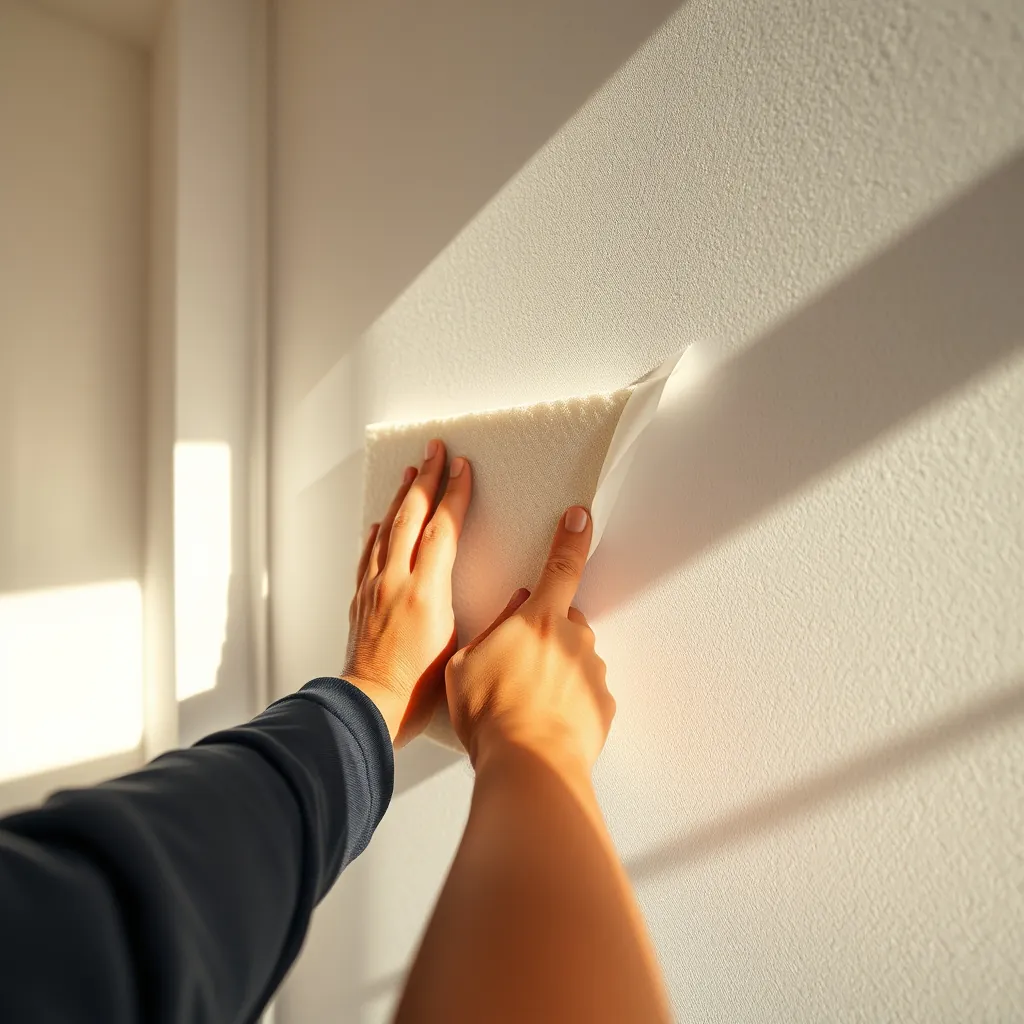
Cover Walls and Floors for Echo and Impact Noise
- Renter? Hang moving blankets, double-thick curtains, or extra-large acoustic wall panels. The denser and heavier the better.
- On floors, try thick area rugs with felt or foam underpads. For a budget stack, combine both for best results.
- Avoid glass and tile decor in echo-prone rooms—it can make things worse.
- For stylish, modern panels, check out FeltRight.
-
Use Acoustic Foam the Right Way
- Acoustic foam panels absorb echoes and tame sound inside a room, but don’t block transmission through your walls. Use them to reduce slapback in offices, music rooms, or video-call spaces.
- Expect absorption of about 65% of sound frequencies, but don’t rely on foam for total silence or heavy bass blocking.
-
Combine Multiple Layers for Best Results
- Layering—a heavy door, sealed windows, and MLV over weak points—can deliver 50–70% less noise for under $1,000.
- For apartment dwellers, use as many non-permanent upgrades as possible. See more renter-friendly home conversion tips.
Advanced Analysis & Common Pitfalls
Most DIYers and even contractors overlook key issues with home soundproofing. Here’s what you need to know before spending time or money.
- Acoustic foam doesn’t stop sound leaks. It absorbs echoes inside a room, not outdoor or neighbor noise. Use it with seals and mass loaded vinyl, not as a substitute.
- Weatherstripping often leaves small gaps. Poor installation or cheap quality can let noise and air sneak through. Take time to measure and buy the right size for consistent contact.
- DIY wall upgrades lack good instructions online. Most high-ranking guides skip real step-by-step solutions for thin, hollow, or shared walls. Blankets and MLV help but are not miracle cures for very loud neighbors.
- Floors remain a weak spot in apartments. Rugs help, but without dense mats or floating underlayments, you may still hear footsteps or voices from below—making true isolation tricky for renters.
- Heavy bass and impact noise travel differently. Even perfect seals won’t always block deep vibrations or structural noise—especially in old buildings.
| Material or Method | Purpose | Noise Blocked | DIY Friendly? | Realistic Cost |
|---|---|---|---|---|
| Solid Core Door + Seals | Block sound at entry points | Most airborne, up to 50% | Yes | $180–$370 |
| Weatherstripping/U-Sweep | Seal door/window gaps | Everyday noise, partial bass | Yes | $7–$20 |
| Window Insert | Add mass, reduce street noise | Mid/high, 70% reduction | Yes | $400–$600 per window |
| MLV Panel | Block airborne transmission | Wide frequency range | Yes | $35–$150/door or wall section |
| Moving Blankets/Curtains | Absorb, cheap barrier | Light to moderate | Yes | $20–$80 |
| Acoustic Foam | Absorb echo inside room | Little to no exterior block | Yes | $30+/room |
Most “best of” soundproofing lists ignore fire safety for hung blankets, poorly rated adhesives for MLV, or methods that damage rental walls and trim. Cross-check product reviews carefully. For additional safety and compliance tips, review universal design insights here.

Conclusion
Effective DIY home soundproofing solutions are not about fancy panels or expensive remodels—they’re about sealing gaps, adding mass, and using the right mix of blocking and absorption for your specific noise problem. With the right steps, anyone can cut down daily noise dramatically without huge projects or budget overruns. For more home upgrade strategies, see our guide to efficient home heating and stylish wall upgrades.
Start today: Choose one area (doors or windows), apply these proven home soundproofing solutions, and notice the difference in comfort and peace of mind.
Frequently Asked Questions
What’s the cheapest way to soundproof a door at home?
Install a thick weatherstripping kit plus a door sweep at the bottom. For even better results, hang a moving blanket or layer on mass loaded vinyl using removable hooks. You can get all this done for under $40 if you skip a new door.
Do soundproofing panels really work for apartment walls?
Acoustic panels or foam help absorb sound and reduce echoes inside a room, but they don’t block loud neighbor noise from the other side of a wall. Mass loaded vinyl or heavy blankets provide better results for blocking, though total silence is tough without building a new wall.
Can I soundproof a room without drilling into the wall?
Yes. Hang curtains, moving blankets, or MLV from tension rods, pressure-fit curtain poles, or removable adhesive hooks. This lets you improve noise control without damaging drywall or trim—a must for renters.
How much should I budget for a real improvement in one room?
Expect to spend around $1,000 for noticeable results (sealing and upgrading main door, basic window insert, wall and floor coverings). If you just seal doors and windows, results are visible for under $200.
Is mass loaded vinyl safe and effective for homes?
Modern mass loaded vinyl is lead-free, flexible, and works well in DIY settings. Install it with strong adhesives or hang it for best results on walls, windows, or doors—just always read product safety specs first.