
Solar battery storage home systems are now one of the fastest-growing ways U.S. homeowners gain backup power, fight rising electric bills, and maximize renewable energy—even as tax incentives and technology change in 2026.
Key Takeaways
- Solar battery storage home systems cost between $10,000 and $45,000, with price varying by capacity, brand, and state incentives.
- The federal tax credit (ITC) for residential solar battery systems ends in 2026, but state rebates may still take $2,000–$5,000 off your project.
- Battery size, installer skill, reliability, and integration features matter more than brand hype when making a long-term investment.
Table of Contents
What Is a Solar Battery Storage Home System?
A solar battery storage home system combines rooftop solar panels with one or more battery units. These batteries store excess energy during the day and release it when needed—at night, during power outages, or whenever utility rates spike. Modern systems can power all or part of a home for hours or days, depending on battery size and usage.
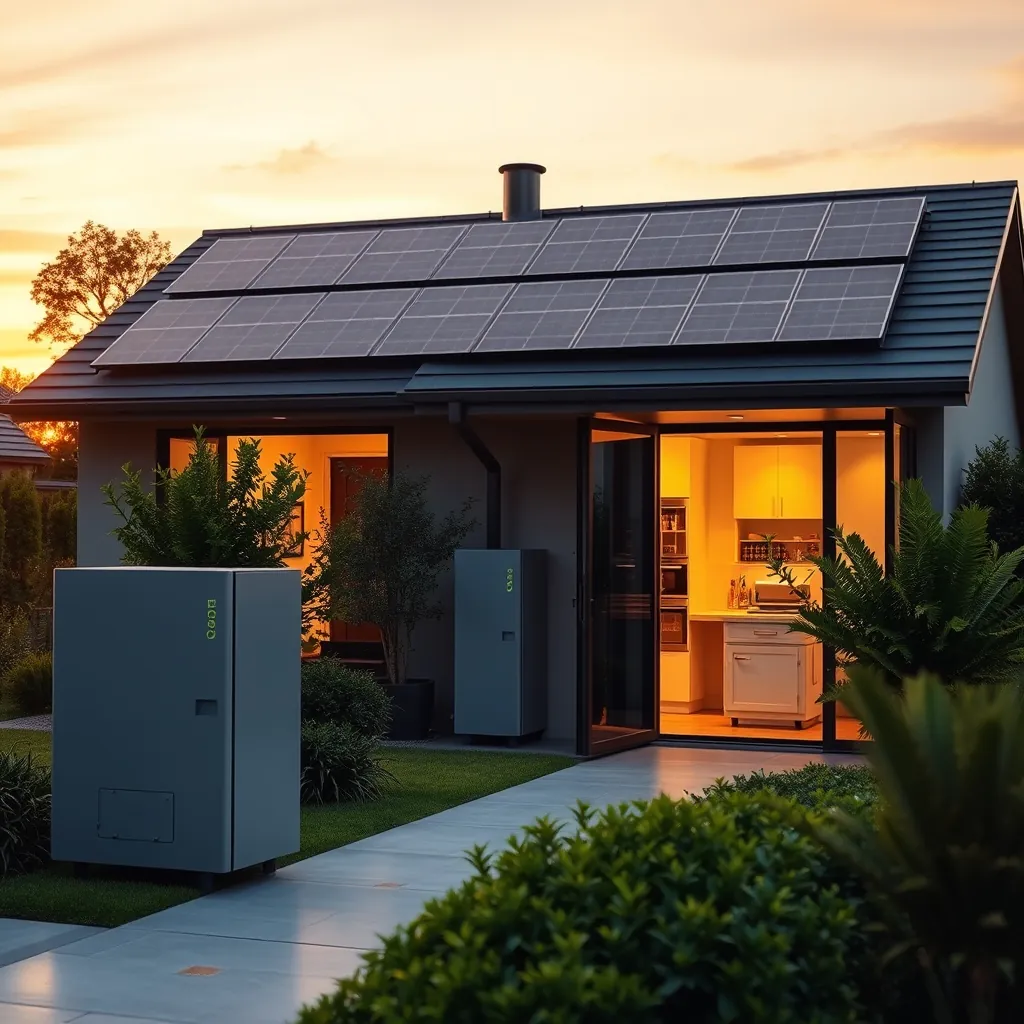
Interest in solar battery backup keeps rising, but 2026 brings a few major shifts. Upfront costs remain substantial. The federal solar tax credit (ITC) for installs drops to zero, meaning you’ll need to rely on local or state incentives for help. Choosing the right system—by brand, battery size, and installer—is critical for long term performance.
Since the battery acts as the “brains” of the setup, you need to pick a unit with the right amount of usable storage (measured in kilowatt-hours, or kWh) to match your family’s backup needs and energy usage profile. Solar batteries from brands like Tesla and Enphase can work with new or existing panels, but integration features, warranty terms, and cost per kWh differ widely by manufacturer.
Step-by-Step Guide: How To Install a Solar Battery Storage Home System
Planning your solar battery storage home system is a process with several vital steps. Here’s a proven path to follow so you don’t regret your investment:
- Assess your energy goals and backup needs.
List the appliances and loads you want to power during a blackout. Calculate how many kilowatt-hours per day you need to cover that list. For most homes, 10–15 kWh is the starter range, but heavy energy users often need more, especially if running large HVAC or medical equipment. - Review local and state solar + battery incentives.
In 2026, the federal ITC is no longer available for cash purchases, so look closely at your state’s rebates, which can reduce costs by $2,000–$5,000 (see latest cost breakdowns here). - Compare top battery options for your home.
The most popular brands in 2026 include Tesla Powerwall (13.5 kWh), Enphase (10 kWh), FranklinWH (15 kWh), and APsystems (10.2 kWh). Prices range from about $8,044 (Fox ESS, 7.1 kWh) up to $17,955 (FranklinWH). Cost per kWh and warranty policies are critical. - Select a qualified installer.
Search for an installer with strong reviews, balanced pricing, and service support. Beware of pushy sales tactics or quotes without a technical site visit. - Check compatibility for existing solar setups.
Adding batteries to older solar arrays may require inverter upgrades. Confirm your battery and inverter brands are compatible. See comparison and component pairing recommendations in the Advanced Analysis section. - Plan for permits and utility approval.
Your installer will handle most permitting, but you should review the timeline and any fees. Some utilities require grid-interconnection agreements—be proactive to minimize delay. - Monitor, maintain, and update your system.
Use your battery’s app or web dashboard to check charge/discharge cycles. Schedule periodic safety and performance checks, especially after storms or outages.
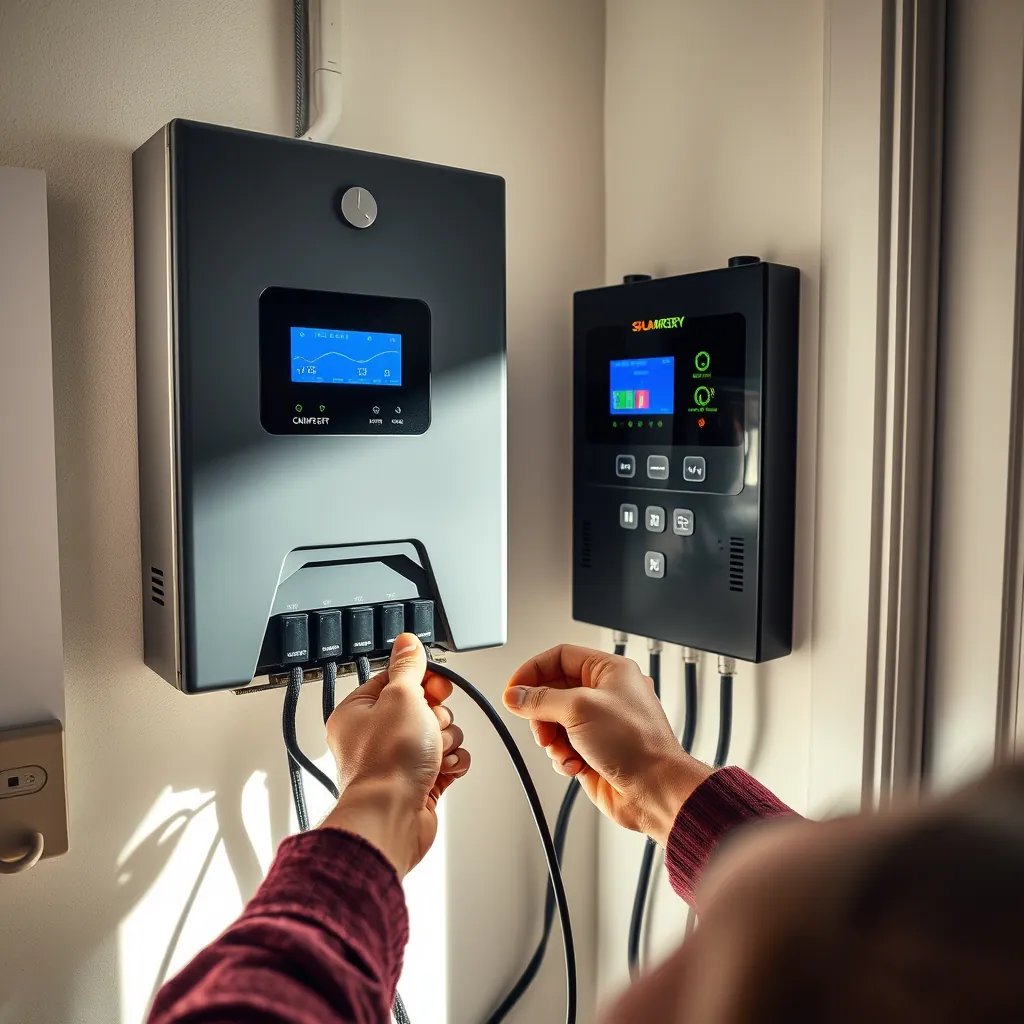
For deeper home energy efficiency, consider pairing your solar battery with a whole-home heat pump or smart water filtration to stretch your investment further. Interested in smart EV charging while storing solar energy? Review our home EV charger installation tips for added savings and home value.
Advanced Analysis & Common Pitfalls
Homeowners often overlook cost escalators and pitfalls when choosing a solar battery storage home system. Here’s what to watch for:
- No federal tax credits in 2026: The federal ITC for residential solar + storage is $0 in 2026. This can increase net system cost by 20-30% compared to 2024 buyers (see comparative tax info).
- Brand cost vs. capacity trade-offs: Prices range from $974/kWh (APsystems) to $1,419/kWh (Enphase). Bigger is not always better—right-sizing battery capacity to your needs saves $1,000s (cost by brand/state).
- Installer quality matters: The most common cause of underperformance and future outages is improper installation—wiring, battery misplacement, or integration errors.
- Warranty lengths vary: Not all batteries offer the same (often 10-year) warranty or same number of cycles; review fine print before buying.
- Integration with older solar panels: Adding a new battery to an older system may require upgrades, especially for inverters or software.
- Insurability and resale value: Some insurers require declarations or charge extra for battery systems. Yet, homes with battery backup gain premium resale appeal.
| Model | Usable Capacity (kWh) | Typical Installed Cost | Approx. $/kWh | Warranty |
|---|---|---|---|---|
| Tesla Powerwall | 13.5 | $13,743 | $1,018 | 10 yrs/70% capacity |
| Enphase | 10 | $14,190 | $1,419 | 10 yrs |
| FranklinWH | 15 | $17,955 | $1,197 | 10 yrs |
| APsystems | 10.2 | $9,935 | $974 | 10 yrs |
| Fox ESS | 7.1 | $8,044 | $1,133 | 10 yrs |
Direct generator vs. battery cost and reliability comparisons are hard to find. Traditionally, batteries have higher upfront cost but zero emissions and quieter backup. Off-grid design is rarely cost effective unless required (such as remote locations or cutting utility altogether), and these systems can cost 2-3x more for added panels, battery banks, and setup complexity.
Few articles discuss how installer quality, long term insurance, and home resale value are overlooked but crucial in choosing any backup source.

Conclusion
Adopting a solar battery storage home setup offers resilience against grid outages, tamps down high electricity bills, and boosts your property’s energy appeal. In 2026, prices remain substantial at $10,000–$45,000 installed, and the federal ITC ends, but state incentives still help offset costs. Choice of battery brand and installer has lasting implications for reliability and performance. By scrutinizing warranty details and comparing usable capacity per dollar—and by pairing your system with soundproofing upgrades and modern water filtration—you maximize value and comfort.
Ready to get the most from your solar battery storage home project? Start by requesting at least three competing, line-by-line quotes, and always confirm local incentives before you sign. Your energy independence and backup peace of mind start now.
Frequently Asked Questions
How much does a solar battery storage home system cost in 2026?
The average installed cost ranges from $10,000 to $45,000 in 2026, depending on system size, brand, and location. State incentives can often reduce net cost by $2,000–$5,000. Major brands have different cost per kWh, with Tesla at about $1,018/kWh and Enphase at $1,419/kWh. See per kWh breakdowns.
Are there any tax incentives for solar battery storage home systems in 2026?
The federal solar tax credit (ITC) for battery storage ends for cash-purchased systems in 2026. However, many states still offer rebates, typically $2,000–$5,000. Check your local government’s website for the most current offers.
What’s the best solar battery backup brand for home use?
Tesla Powerwall and Enphase are the most popular, but FranklinWH, APsystems, and Fox ESS offer competitive pricing and sizes. Compare usable capacity, warranty terms, and installer ratings. There is no single “best” for every home—right-sizing for your needs matters most.
Can I add a solar battery to an older solar panel system?
Yes, in most cases, but compatibility with your existing inverter or panel brand must be checked. Some upgrades may be required for seamless integration. Confirm all components work together before signing a contract.
How does battery backup compare to a gas generator for outages?
Batteries are silent, clean, and require little maintenance, but are more expensive up front and can only supply as much backup as their storage allows. Generators are louder, create emissions, and need fuel, but can run appliances longer if fuel is on hand. Consider your outage risks and energy needs before choosing.