### Blog Post:
Energy efficient window replacement is one of the most effective ways to cut home energy bills and improve year-round comfort. But real savings, costs, and results depend on which window you choose, your region, and how you install. Here’s the real story and proven strategies to maximize your investment.
Key Takeaways
- Triple-pane windows average 10-15% more in cost than double-pane, but offer only 2-3% extra annual savings for most homes.
- Factors that massively impact costs: window size, frame material (aluminum to fiberglass), and professional installation.
- Federal tax credits up to $600 per year apply to qualifying Energy Star models—but there are important eligibility details to know.
- What Is Energy Efficient Window Replacement and Why Does It Matter?
- Step-by-Step Guide: How to Get Maximum Value from Window Replacement
- Advanced Analysis & Common Pitfalls
- Conclusion
- Frequently Asked Questions
What Is Energy Efficient Window Replacement and Why Does It Matter?
Energy efficient window replacement means removing old, drafty, single-pane, or worn-out windows and upgrading to modern, insulated models—usually double or triple-pane with Low-E coatings, improved seals, and better framing. The main goal: permanently lower heating and cooling costs, reduce outside noise, and eliminate uncomfortable drafts for better home comfort.
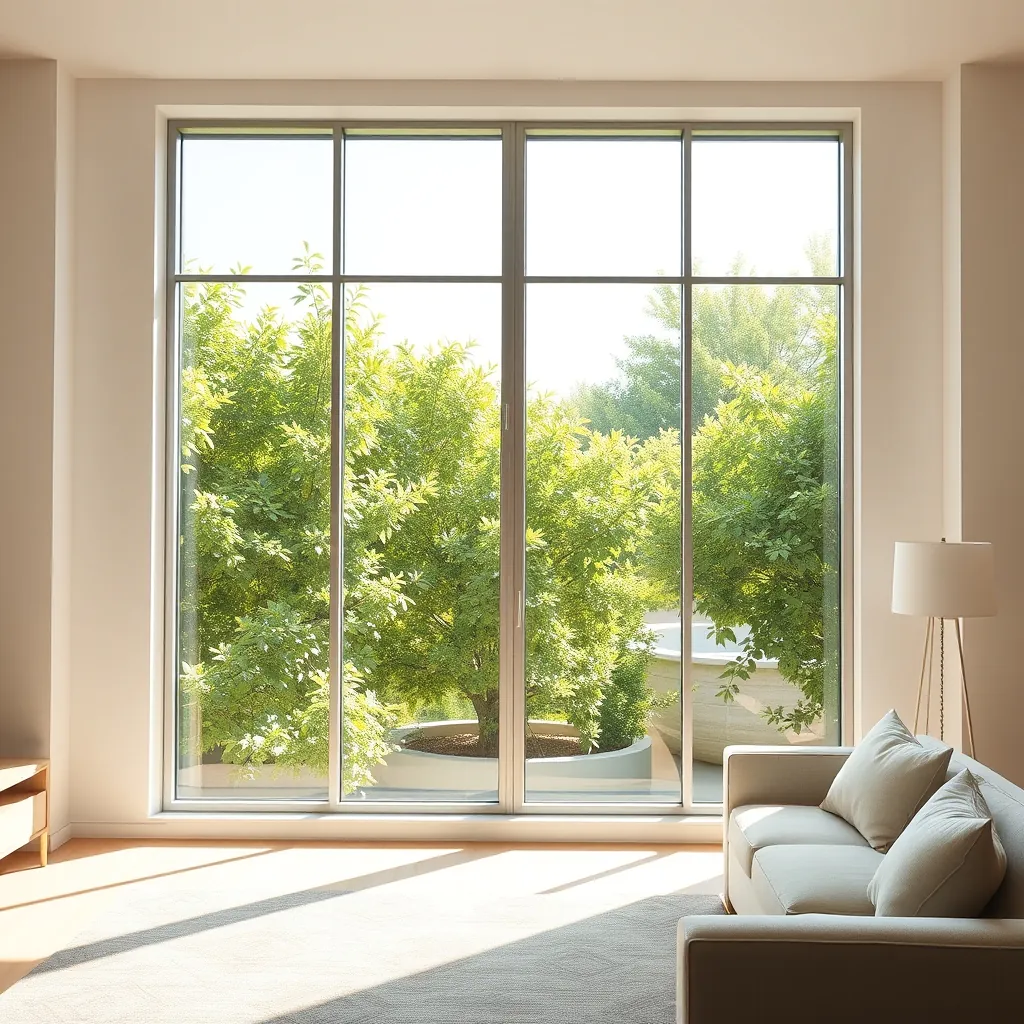
Window technology has improved dramatically. Today’s best double-pane windows typically have a U-Factor of 0.25–0.30 and triple-pane windows can reach as low as 0.15. Energy Star–rated models offer up to 25% better insulative value over basic code windows. A key difference: triple-pane windows are about 20% more efficient than top double-pane windows, though that efficiency often comes at a premium cost [source].
Replacing windows is also one of the proven methods to boost real estate value. For more ways to combine energy savings with other high-return upgrades, check out our Garage Conversion ADU Proven Guide.
Step-by-Step Guide: How to Get Maximum Value from Window Replacement
Follow these actionable steps to plan, buy, and install the best energy efficient window replacement for your climate and home type:
-
Evaluate Your Windows
Look for signs you need replacement: condensation between panes, rotted sashes, loose or warped frames, persistent drafts, or hard-to-operate windows. Older single-pane or aluminum units almost always justify replacement. -
Compare Window Types and Specs
Decide between double and triple-pane based on climate, budget, and projected savings. For triple-pane, check for U-Factor (0.15–0.25), SHGC (0.20–0.25), and air leakage ratings ≤0.30 [source]. -
Choose the Right Frame Material
This impacts both price and efficiency. Vinyl is most common for value. Fiberglass and composite frames cost more, but deliver top insulation. Here’s a quick breakdown for typical costs:Frame Material Average Cost per Window Aluminum $725 Vinyl $900 Wood $1,100 Composite $1,450 Fiberglass $1,800 Source: HomeAdvisor
-
Obtain Multiple Quotes
Request quotes from at least three reputable installers (Okna, Marvin, Preservation, Interstate Composite are highly rated for efficiency). Make sure each quote includes window specifications, installation, and warranties. Never accept ballpark estimates over the phone. For brand reviews, see our LivingWise Reviews. -
Confirm Eligibility for Federal Tax Credits
Only Energy Star–certified models qualify. You’ll need manufacturer certification statements and to check the latest IRS guidelines. Federal credits max out at $600/year, covering the product, not the labor, and are non-refundable [source]. -
Schedule and Oversee Installation
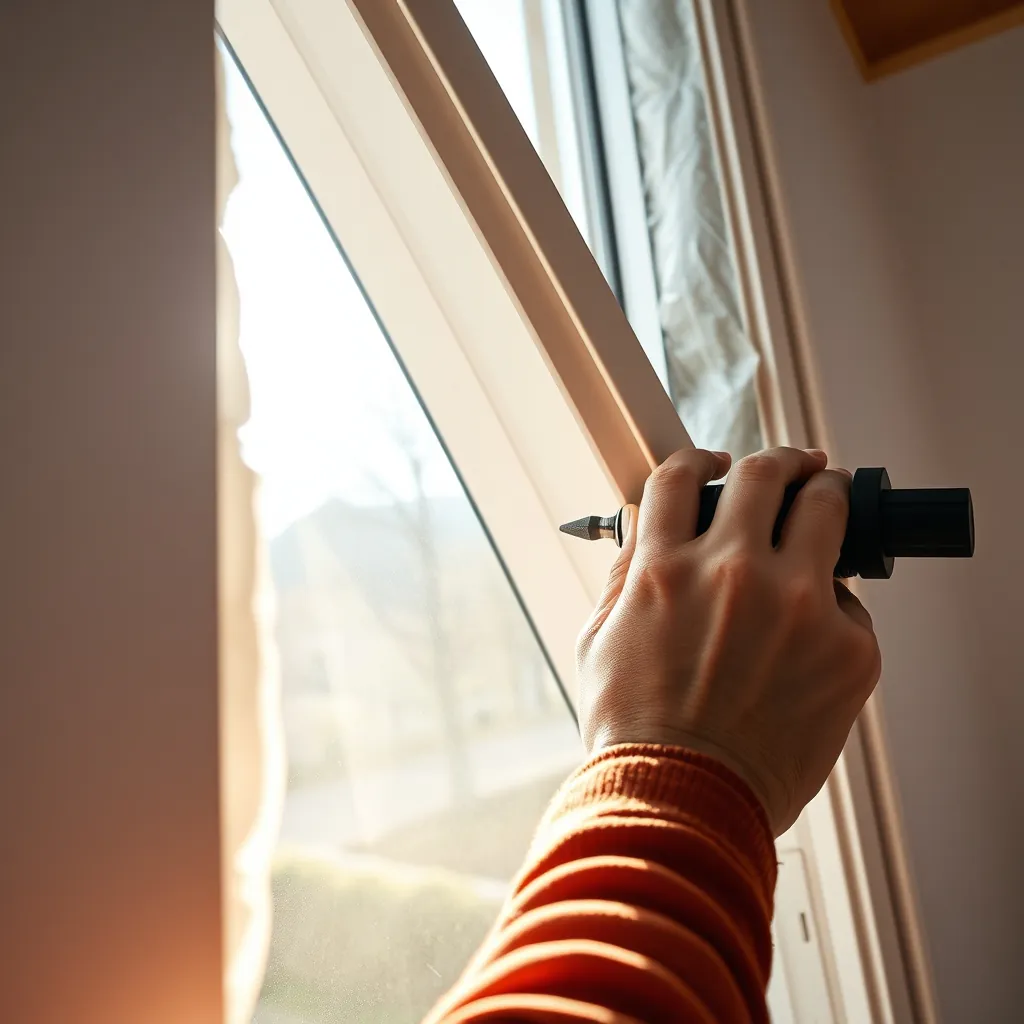
Professional installation is essential to avoid air leaks and warranty issues. DIY attempts often void warranties and result in poor air sealing. For more on DIY risks versus pro installation, see Section 3 and our Home Soundproofing Solutions Guide for related skills. -
Inspect Work and Register Your Warranty
Check all seals, opening mechanisms, and caulking before signing off. Promptly register your warranty—they often range from 20–30 years on frames, lifetime on glass, and 5–10 years on labor coverage.
Thinking about renovating your bath or adding other energy upgrades? Our Aging in Place Bathroom Remodel Guide offers tips for combining whole-home efficiency and comfort improvements.
Advanced Analysis & Common Pitfalls
Energy efficient window replacement can deliver real comfort gains and future energy bill savings—but there are realistic trade-offs and pitfalls. Here’s what most homeowners and top-ranking Google articles miss:
1. Triple-Pane: Real Savings vs. Upfront Costs
Triple-pane windows are 20% more efficient than double-pane windows, and offer up to 2-3% extra annual savings on energy bills—usually just $60–$70 per year [source]. Yet, they cost $200–$400 more per window and can take over 20 years to pay for themselves, except in very cold climates. Double-pane (with Low-E) is often the better ROI for most U.S. homeowners [source].
2. Cost Breakdown by Pane Type and Region
Across the U.S., the range is wide. In NJ/PA, double-pane windows (installed) cost $880–$1,320 each. Triple-pane: $1,155–$1,705. In other regions (e.g., West or Midwest), expect similar multipliers but local labor and market demand affect totals [source].
| Window Type | Nationwide Cost per Window (Installed) | NJ/PA Installed Cost | Typical ROI |
|---|---|---|---|
| Double-Pane | $880–$1,320 | $880–$1,320 | 7–12 years |
| Triple-Pane | $1,155–$1,705 | $1,155–$1,705 | 20–25 years |
3. What Affects Window Replacement Price Most?
- Frame material: Fiberglass can cost double that of vinyl.
- Large or custom windows: Triple the price of basic sized windows.
- Installation: Second-story, brick, or complicated jobs drive labor costs up fast.
- Brand and glass: Premium brands (Okna, Marvin, Preservation) and Low-E glass drive up cost.
For more tips to save on installation, check our Heat Pump Installation Cost Guide—similar principles apply to windows and HVAC!
4. Durability, Warranty, & Real-World Issues
- Long-term durability in harsh climates is still a concern: frame warping and seal failures remain possible, especially in extreme heat/cold cycles.
- Warranty terms: Pro installers may offer 20–30 years on frame, lifetime on glass, but 5–10 years only on labor.
- No widespread user complaints are reported—but warranties can be voided by DIY work or improper installation.
5. Professional vs. DIY Installation Risks
DIY energy efficient window replacements can seem tempting for cost savings, but you risk voided warranties, poor air sealing, and ultimately lower efficiency. It’s almost always wiser to pay for certified professional installation unless you have extensive carpentry experience. For related skills, see our Ventless Washer Dryer Installation Guide.
Conclusion
Upgrading to energy efficient windows remains one of the most reliable home investments for comfort, lower utility bills, and increased property value. While triple-pane offers maximum performance, most homes nationwide see the best payback from high-quality double-pane windows with Low-E coatings. As you weigh options, factor in all costs, ROI timelines, federal credits, and get pro installation.
Ready to get started with your own energy efficient window replacement project? Compare brands, look for Energy Star certification, and get at least three pro quotes to ensure you maximize your savings and don’t waste a dime. For related improvements, explore our Solar Battery Storage Home Guide for deeper energy savings.
Frequently Asked Questions
How much does energy efficient window replacement really cost in 2024–2025?
Expect $880–$1,320 per double-pane window installed and $1,155–$1,705 for triple-pane in the Northeast US. Costs vary with size, material, and region. Nationwide, double-pane runs $300–$1,200/unit, triple-pane up to $3,000 for large or specialty units.
Is triple-pane worth it over double-pane for my climate?
Triple-pane windows deliver about 2–3% more annual energy savings and are 20% more efficient, but the upfront price is often not justified outside of very cold climates. For most US homes, top double-pane models with Low-E glazing provide better ROI.
Can I install new windows myself to save money?
DIY installation risks air leaks, voided warranties, and reduced efficiency. Most manufacturers and federal credits require professional installation to maintain warranty and performance standards.
Are there any rebates or tax credits for energy efficient windows?
The federal government offers up to $600 per year in tax credits for Energy Star windows—but only on product cost, not installation. No widespread state or utility rebates are currently available for 2024–2026.
How long until I recover my energy efficient window upgrade costs?
Typical payback period is 7–12 years for double-pane and 20–25 years for triple-pane units, with regional variations based on climate and energy prices.